
Quick Summary:
Running a warehouse in South Africa, with a host of operating challenges. Some, like power outages, are beyond your control, but other internal ones can be addressed with the right warehouse management software. This guide compares the 8 best warehouse management systems for South African businesses.
You'll walk away knowing the following:
- What a warehouse management system is and how it works
- A side-by-side comparison of the top eight WMS options
- How to choose the right warehouse management system for your business
- Why VasyERP stands out as a WMS built for South African conditions
Your warehouse is the heart of your business’s supply chain. Its management determines if you have enough stock to send shipments, each shipment goes out as per the order, and how efficiently.
Unlike warehouses operating elsewhere, in South Africa, warehouses deal with unique situations that generic or best warehouse management systems built for the international market were never built to handle.
There are interruptions due to load shedding, high levels of crime that lead to shrinkage, skill gaps that affect your fulfilment, and customers from Gauteng, Cape Town, or Durban who demand faster, more accurate deliveries.
This guide compares the eight strongest WMS options available in South Africa today, built for the operational realities of running a warehouse in the country.
What is a Warehouse Management System?
A Warehouse Management System (WMS), simply put, is software that helps you manage, control, and optimise every activity inside your warehouse. The best warehouse management systems come built in with capabilities that can do the following:
- Real-time inventory tracking
- Receiving, put-away, and replenishment workflows
- Picking and packing optimisation
- Order fulfilment and dispatch automation
- Barcode/RFID scanning for accuracy
- Cycle counting and audit trails
- Multi-warehouse management for distributed operations.
These systems also come with multiple deployment options:
- On-premises deployments: These offer tight data control but require significant in-house IT resources to maintain.
- Cloud-based deployments: These are faster to deploy, update automatically, and need no server infrastructure.
- Hybrid deployments: These are a combination of the two and are used in specific scenarios, say you need the accessibility of a cloud-based system but want all data to be stored in-house on your servers.
Did you Know? Cloud-based deployments out number all other forms in South Africa.
Source:Kenresearch
Comparing Top 8 WMS Systems at a Glance
| Tool | Best For | Deployment Type Offered | Pricing |
|---|---|---|---|
|
VasyERP |
SA SMEs and multi-branch retail/distribution |
Cloud with offline capability |
Custom |
|
SYSPRO |
Manufacturers and distributers |
On-premise, Cloud and Hybrid |
Contact for Pricing |
|
Embrace WMS |
Medium to large SA operations |
On-premise, Cloud |
Contact for Pricing |
|
AdOr |
FMCG, retail, and 3PL operations |
On-premise, Cloud |
Contact for Pricing |
|
Sage X3 Warehousing |
Mid-sized manufacturers and distributors |
On-premise, Cloud |
Contact for Pricing |
|
NetSuite WMS |
Mid-to-large multi-channel businesses |
Cloud |
Contact for Pricing |
|
Omniful |
Retail, grocery, and pharma with cold chain needs |
Cloud |
Contact for Pricing |
|
SAP |
Large enterprises and complex supply chains |
On-premise, Cloud |
Contact for Pricing |
The Eight Best Warehouse Management Systems for South African Businesses
No two warehouses run the same way, so no single platform here is the right answer for everyone. Here is what each one offers.
1. VasyERP
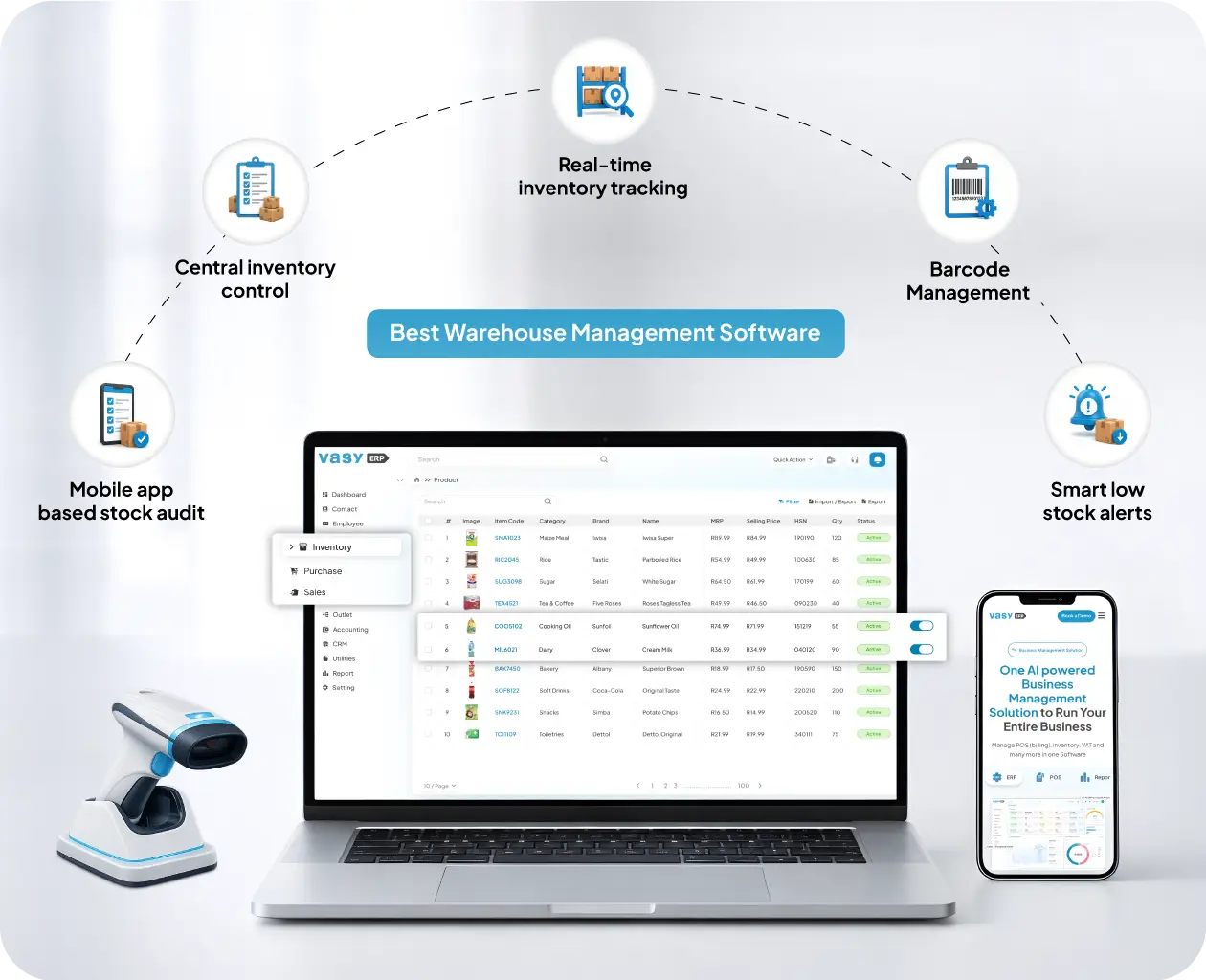
VasyERP is one of the top warehouse management systems built specifically for the South African market. It includes a powerful warehouse management module that integrates seamlessly with POS, inventory, accounting, and e-commerce.
From a warehouse perspective, VasyERP offers real-time inventory dashboards, rack and bin management, batch and expiry tracking, and auto picklists for multi-warehouse control. The system supports barcode integration for fast, accurate stock handling.
Key Features
- Real-time stock visibility across multiple warehouses and branches
- Batch tracking with automatic expiry alerts
- Two-way verified inter-branch stock transfers
- Offline mode with automatic sync on reconnection
Pros
- Warehouse, inventory, purchasing, and accounting in one native platform
- Built specifically for SA conditions, including load shedding resilience
- Local support with no international ticket queue
Cons
- Best suited to retail, distribution, and SME manufacturing rather than complex industrial 3PL operations.
2. SYSPRO
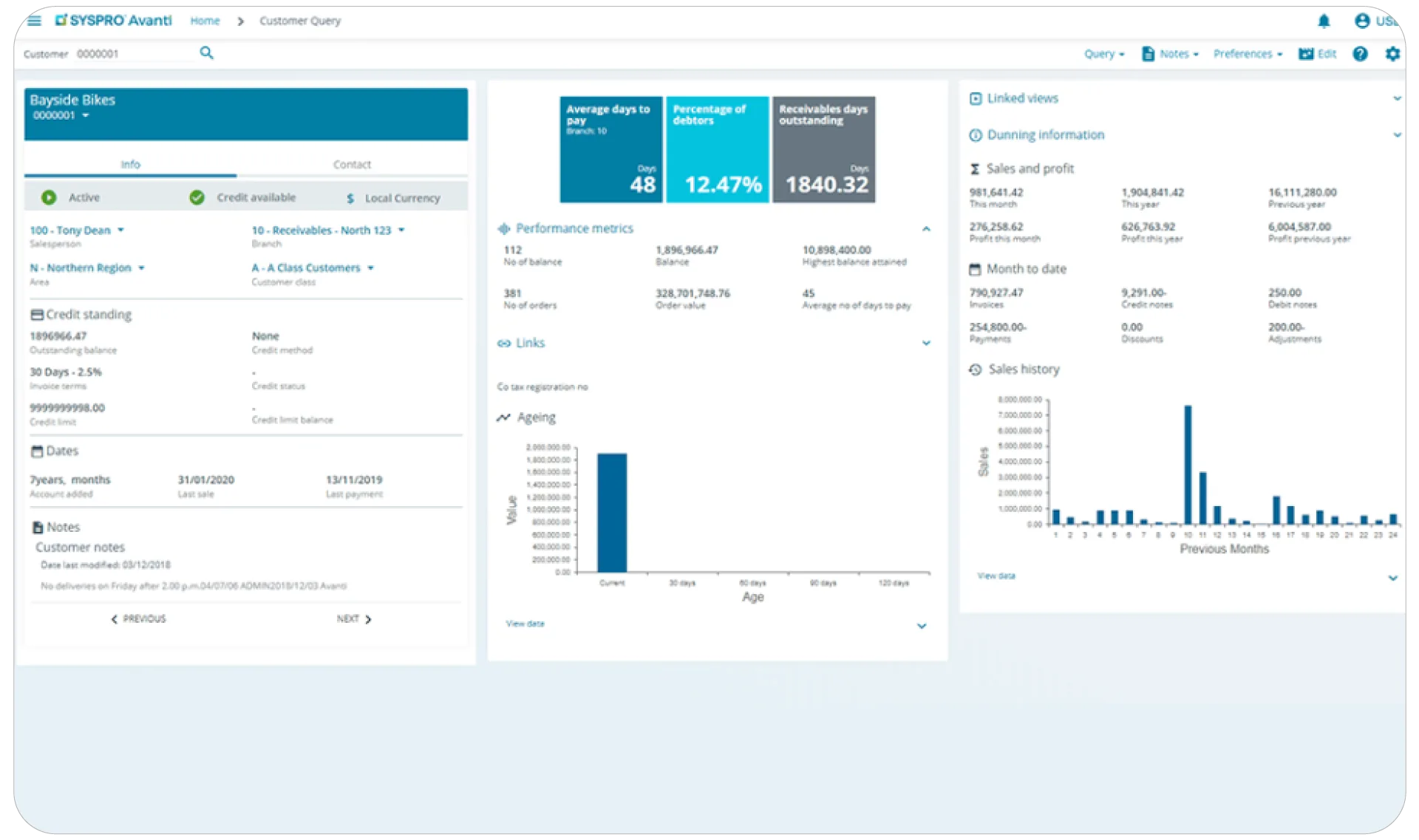
SYSPRO is a purpose-built ERP software designed for manufacturers and distributors with warehouse management built into the suite. Its WMS module handles bin-level stock control, RFID and mobile scanning, and inventory management based on historical sales patterns.
Key Features
- Workflow automation for just-in-time delivery and expiry-sensitive shipping.
- RFID and mobile barcode scanning across desktop and handheld devices.
- Inventory optimisation logic based on historical demand.
Pros
- Proven track record with established South African manufacturers.
- Strong industry-specific functionality.
- Flexible deployment across cloud, on-premise, and hybrid.
Cons
- Complex implementation requires experienced partners.
- Smaller implementation partner network than SAP, Microsoft, or Oracle.
- It may be more than what a small warehouse needs.
3. Embrace WMS
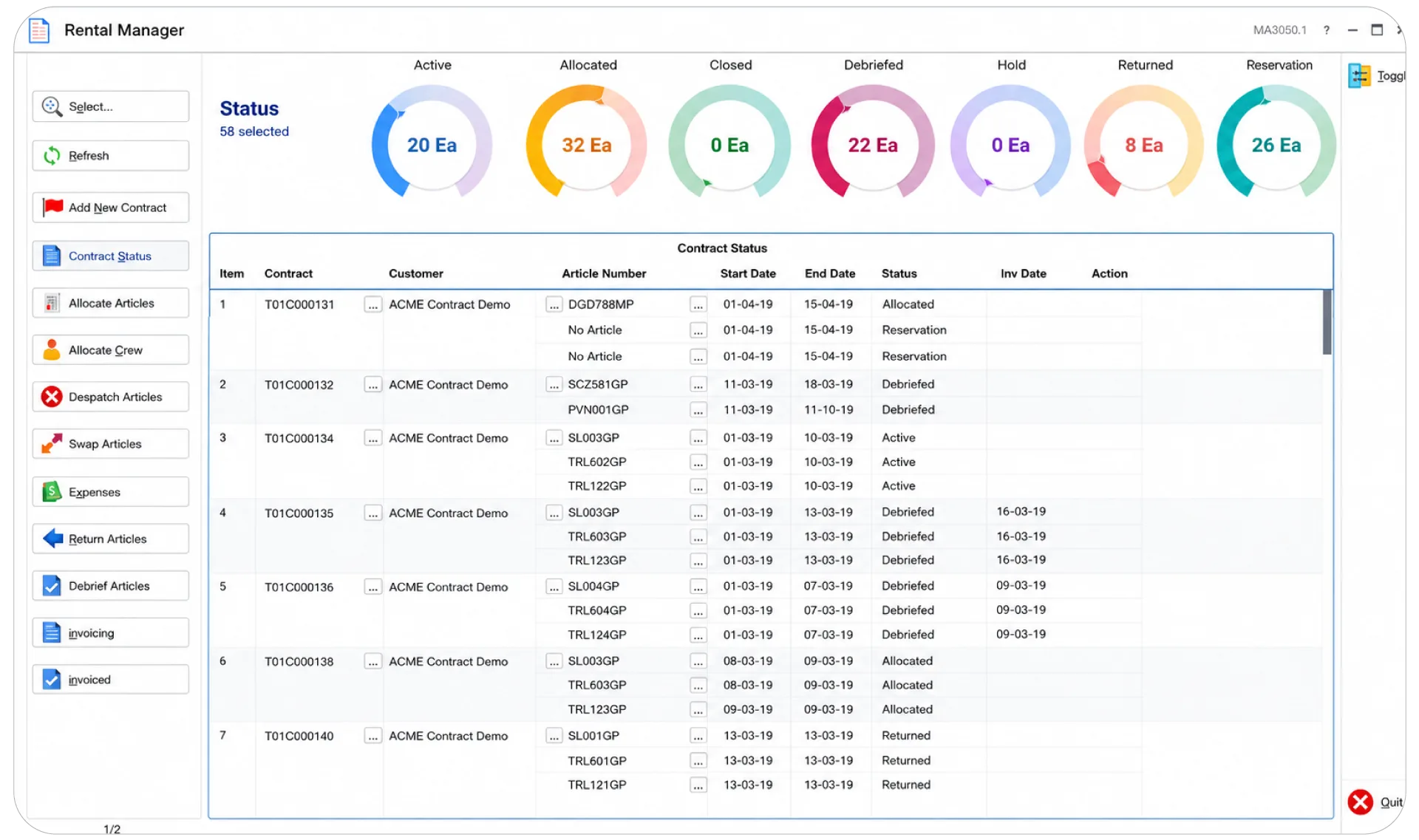
Embrace’s WMS is one of the best WMS systems on this list if you are looking for a locally developed solution. It’s built for medium and large operations with complex warehouse requirements. It supports RF-enabled picking, FIFO/FEFO/LIFO stock rotation, and cross-docking.
Key Features
- Built-in WMS module tightly integrated with Embrace ERP.
- RF and barcode scanning for accurate stock handling.
- Detailed tracking from entry to exit point.
- Auto-replenishment of bins and order prioritisation.
Pros
- No integration issues between ERP and WMS.
- Built and supported locally by South Africans.
- Designed for complex, large-scale operations.
Cons
- Designed for medium to large businesses (50+ users).
- Higher cost than entry-level solutions.
4. AdOR
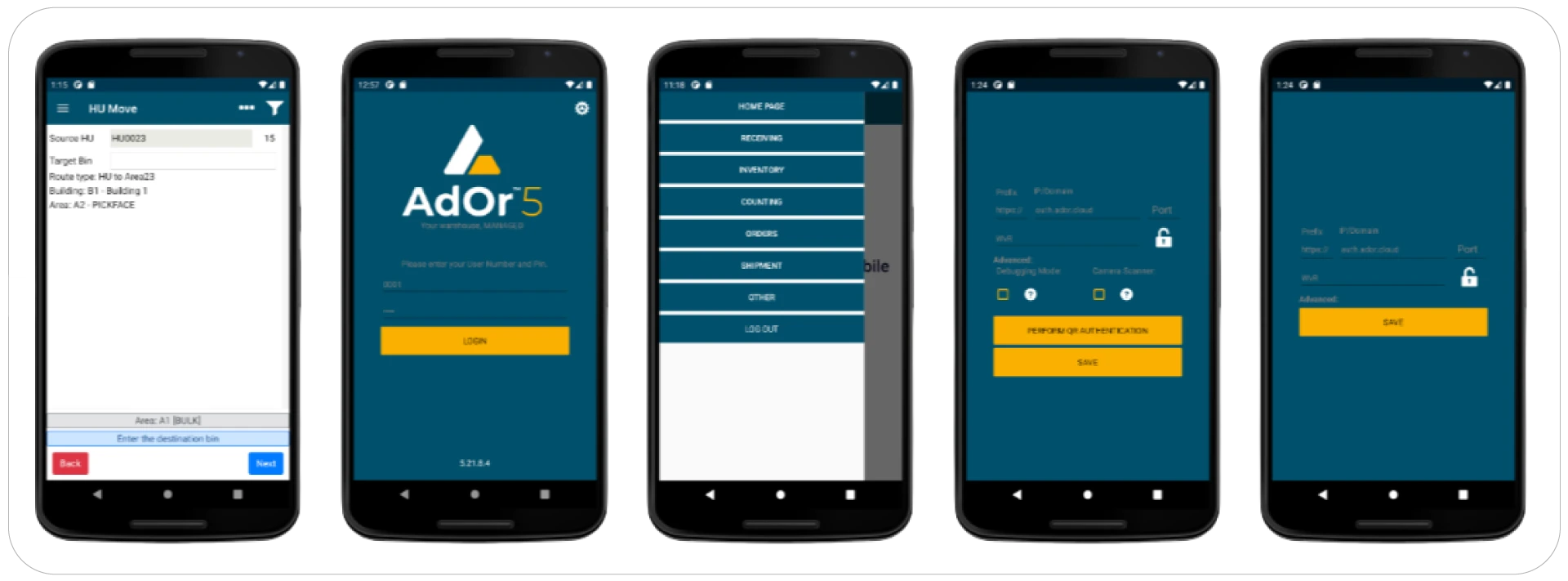
AdOr is another South African-built, locally hosted WMS aimed at FMCG, retail, and 3PL businesses. The mobile-based platform helps manage all aspects of warehouse operations, from receiving and moving goods to shipping them. The system is POPIA-compliant and hosted locally in South Africa.
Key Features
- Android mobile app for real-time warehouse control.
- 3PL multi-client management with billing automation.
- Optimised inbound and outbound yard management.
- Direct integrations with Xero, Sage, Shopify, and WooCommerce.
Pros
- Built specifically for South African businesses with local compliance.
- No per-user licensing and predictable pricing.
- Strong fit for FMCG and 3PL operations specifically.
Cons
- Smaller global footprint and partner ecosystem than international platforms.
- Less suited to complex multi-country or multi-currency operations.
5. Sage X3 Warehousing
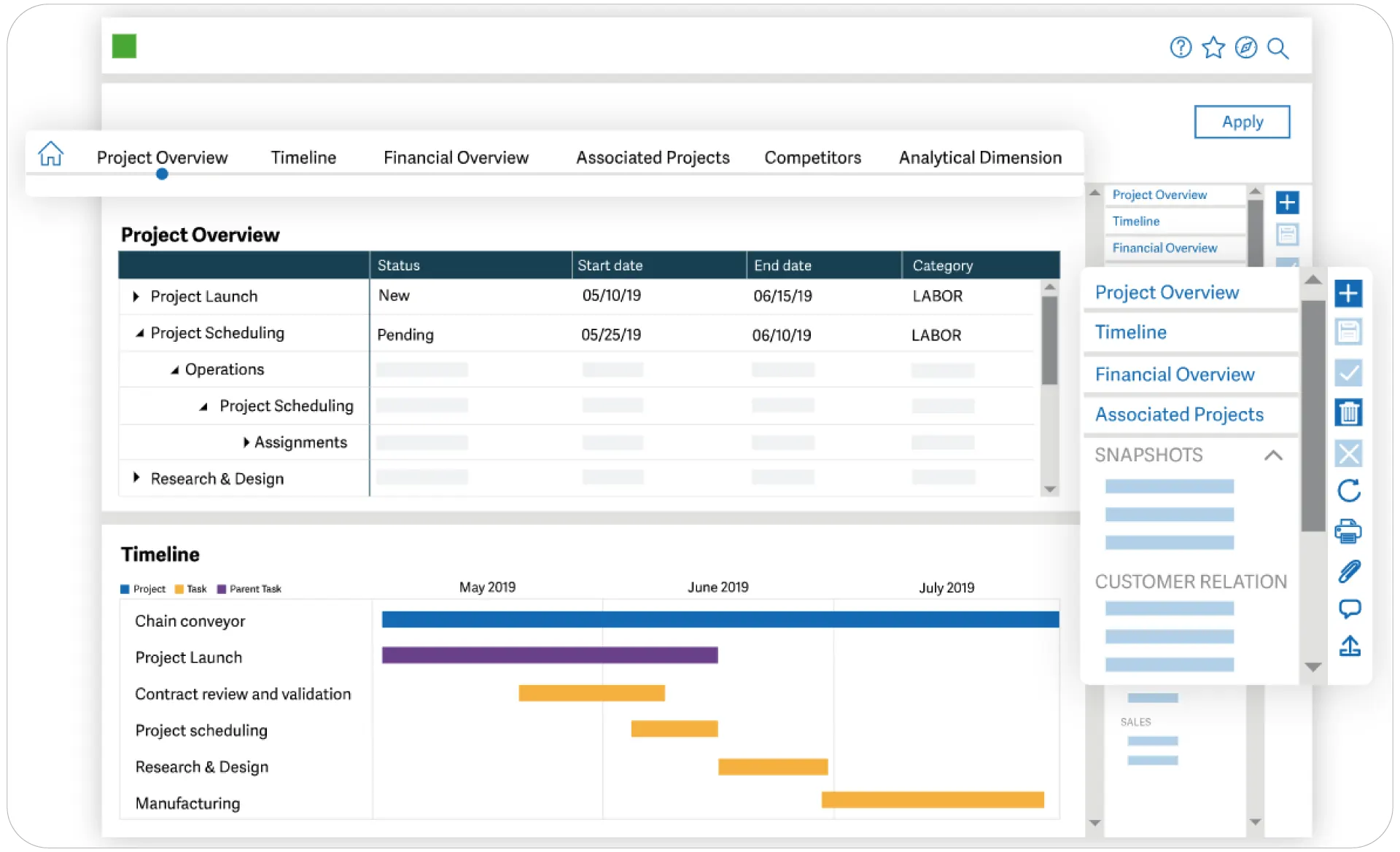
Sage X3 Warehousing is an option to consider for companies already using or considering Sage X3 as their ERP. The system helps companies move from basic inventory control to a truly configurable, rules-based WMS that can capture information directly in the warehouse via scanning, validated to eliminate keying errors.
Key Features
- Rule and parameter-driven process logic.
- Support for multiple warehouses, tenants, currencies, and suppliers.
- Customer-specific labelling and documentation.
- Dock scheduling and wave simulations.
Pros
- Versatile WMS for medium-sized businesses.
- Configurable, rules-based system.
- Strong Sage ecosystem and local support in South Africa.
Cons
- Less specialised manufacturing depth than Sage X3’s stronger process-manufacturing competitors.
- Best suited to mid-market rather than small operations.
6. NetSuite WMS
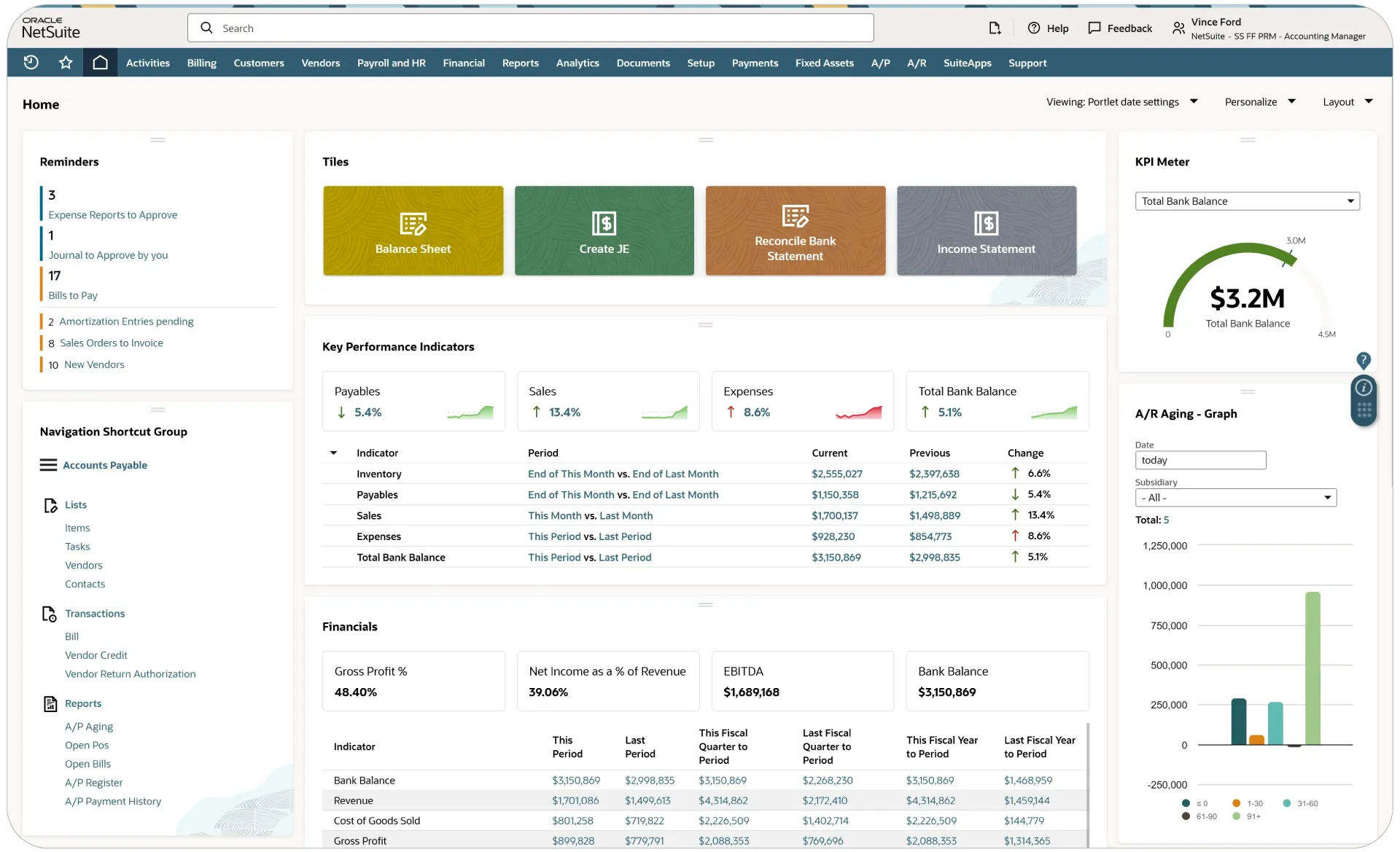
Oracle NetSuite’s Warehouse Management System module extends its broader cloud ERP platform with guided picking, packing, and shipping workflows. It is one of the best warehouse management systems globally, but it’s built for businesses already on NetSuite that want warehouse operations connected to the same financial and inventory data.
Key Features
- Mobile-device data capture for real-time inventory accuracy.
- Pre-defined pick, pack, and ship strategies for outbound orders.
- Native integration with NetSuite’s broader ERP and financial modules.
- 3PL management capabilities.
Pros
- Strong fit for multi-channel businesses already on the NetSuite platform.
- Established global platform with a large user base.
- Cloud-native with no on-premise hardware.
Cons
- Requires the broader NetSuite ERP. It’s not a standalone WMS purchase.
- Limited direct SA presence; implementation runs through international or regional partners.
7. Omniful
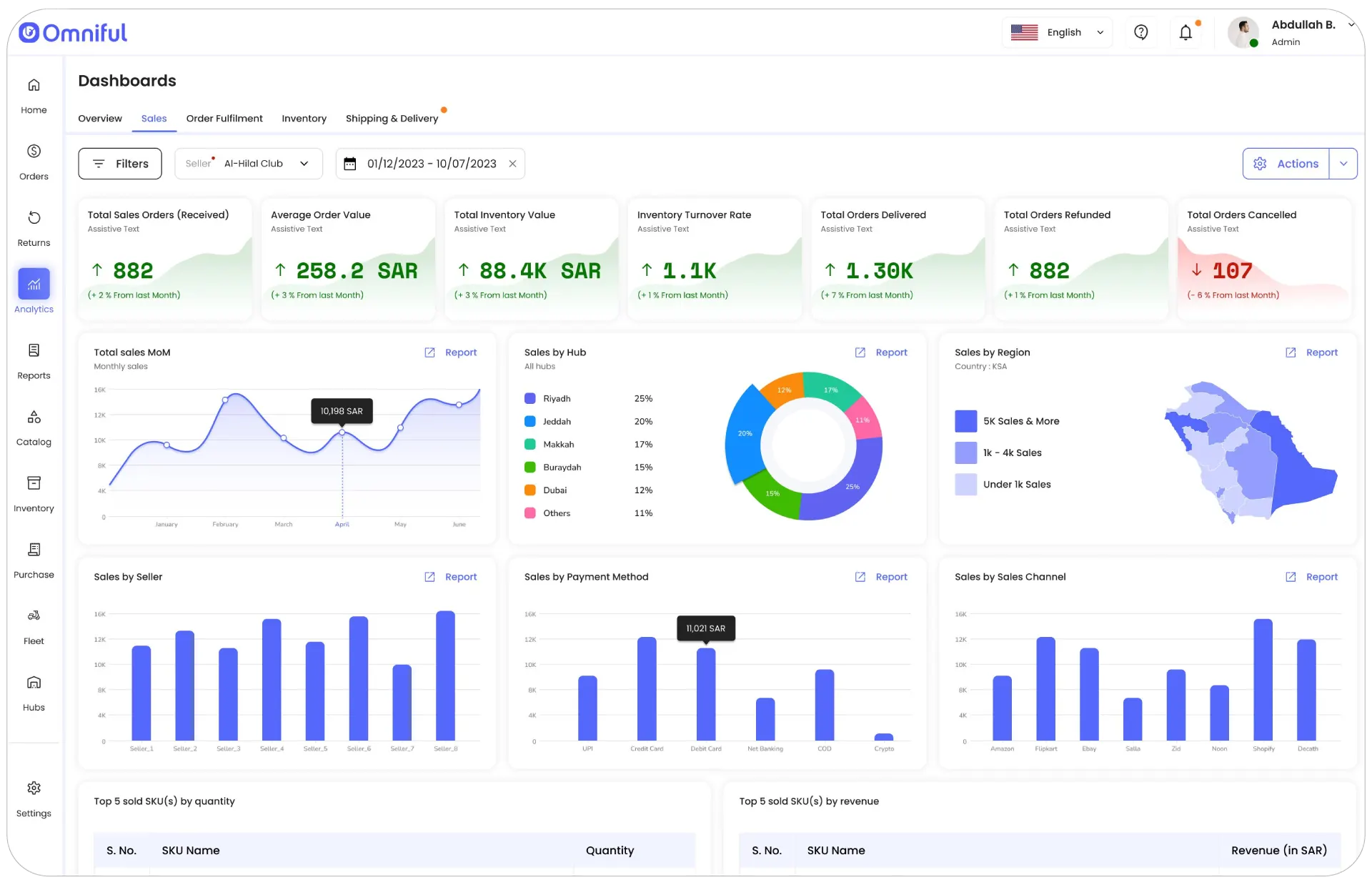
Omniful is one of the best warehouse management systems in South Africa if you are looking for one with a strong focus on temperature-sensitive and high-demand sectors like grocery and pharma.
The system offers features such as accurate inbound receiving, smart warehouse picking, order handling, inventory cycle counting, and advanced outward shipping.
Key Features
- AI-powered warehouse operations.
- Real-time inventory tracking with batch, lot, and expiry date management.
- Optimised picking routes and zone-based picking.
- Temperature control for sensitive goods.
- Seasonal demand forecasting.
Pros
- AI-powered optimisation for efficiency.
- Real-time climate monitoring for temperature-sensitive storage.
- Batch, lot, and expiry date management for perishables and pharma.
Cons
- Newer entrant to the SA market relative to established local players.
- May require integration with existing systems.
8. SAP Warehouse Management
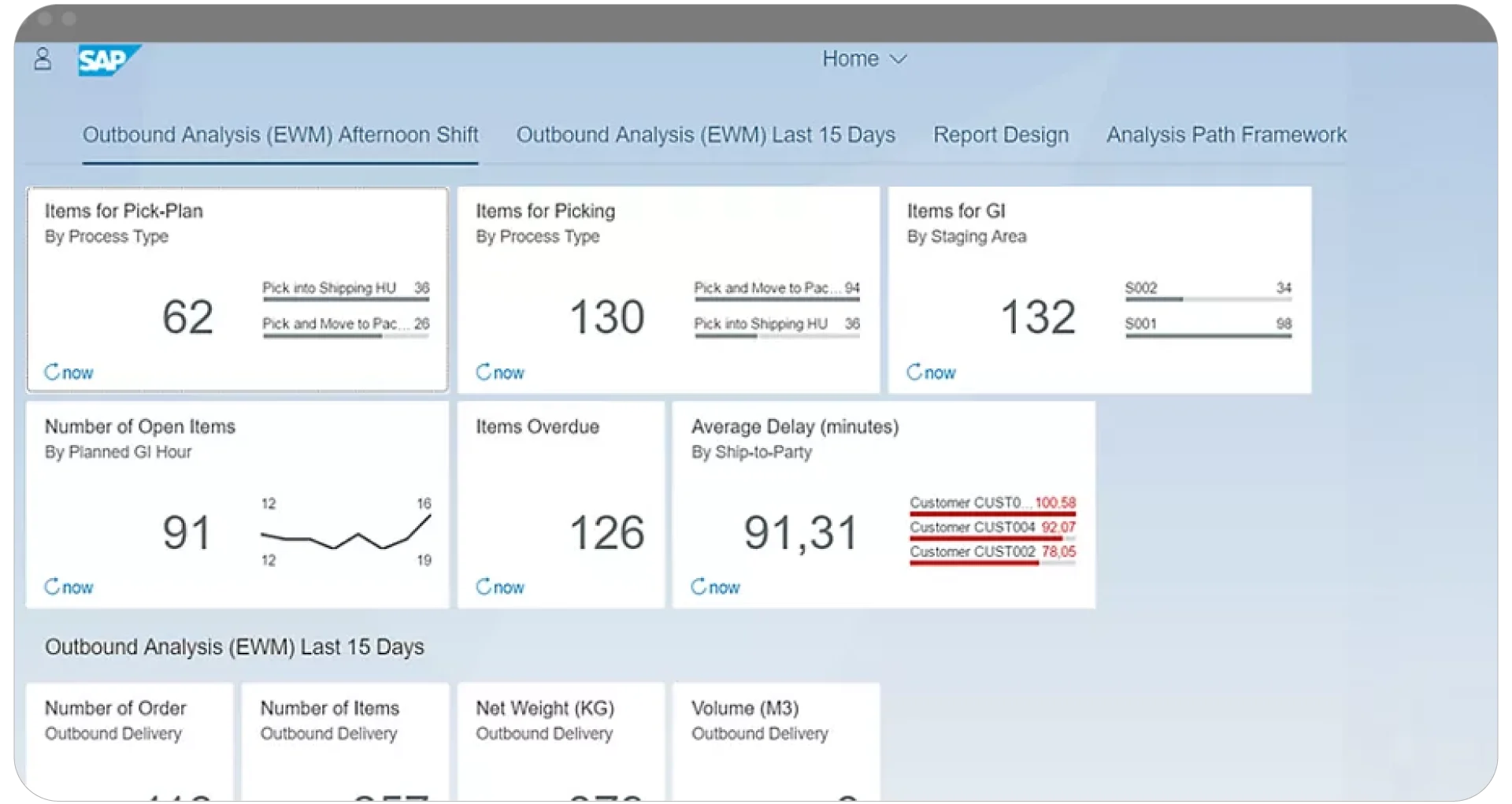
SAP as a brand doesn’t need any introduction. Its WMS, named SAP Extended Warehouse Management (EWM), is part of its broader ERP suite. It is the most enterprise-orientated option on this list.
It provides AI-powered supply chain management with autonomous agents that continuously optimise planning, manufacturing, logistics, and inventory as both cloud and on-premise deployment options.
Key Features
- AI-powered supply chain optimisation.
- Autonomous agents for continuous process improvement.
- Deep integration across SAP’s broader ERP and supply chain suite
- Extensive customisation through SAP’s partner and developer ecosystem.
Pros
- Global leader with extensive resources and support.
- Best-in-class capability for large, complex supply chain operations.
- Strong AI and analytics capabilities.
Cons
- Implementation cost and complexity are disproportionate for SME warehouses.
- Requires specialist consultants for configuration and customisation.
- Overkill businesses managing a handful of locations.
How to Choose the Best Warehouse Management System?
Choosing the right WMS requires careful evaluation. Here is a practical framework on how to go about it.
- Assess the software based on the complexity of your warehouse operations: warehouse inventory management software for a small business will not work for a large distribution centre with complex operations, and vice versa.
- Evaluate its deployment options: Even the best WMS systems will not help much if they check all other boxes but only offer an on-premises deployment for which you don’t have the capital or infrastructure to manage.
- Check integration depth with your existing accounting and POS systems: A WMS that does not talk to the rest of your business creates new reconciliation problems instead of solving the old ones.
- Confirm local support: If you run into any issues, you shouldn’t have to wait for the support team in another time zone to log in and assist.
Why is VasyERP the Best WMS Software for South African Businesses?
South African warehouses face unique challenges, and VasyERP is built to address them.
- The system is cloud-based with offline capability. During load shedding, all your operations continue to work offline and sync back up the moment connectivity is restored.
- The system includes barcode integration for fast, accurate stock handling. Auto picklists direct your staff to the right location, reducing picking errors and speeding up fulfilment.
- Role-based workflows ensure that no one can sign off on shipment without proper authorisation, greatly reducing the possibility of theft from within the warehouse.
- Batch and expiry tracking prevent expired stock from leaving your warehouse. Automated alerts warn you before products reach their expiration date.
In short, VasyERP offers a genuinely integrated alternative to the disconnected reality of a standalone WMS bolted onto separate accounting software or one as complex as an enterprise platform, such as SAP.
If you want to see how VasyERP handles your specific warehouse setup, book a 30-minute demo with our team. We’ll walk you through the exact workflow for your operation.
FAQs Regarding WMS Software
Look for warehouse management systems that offer real-time inventory tracking, seamless integration with local couriers, and scalable pricing. The best WMS should grow with your inventory volume without requiring you to pay for enterprise features you do not yet need.
Yes. Platforms such as VasyERP, Fishbowl, Zoho Inventory, and Katana are popular choices for small businesses. They provide inventory tracking, warehouse control, and order fulfilment features without the cost or complexity of enterprise-level software.
A warehouse management system for South Africa should offer reliable offline functionality to minimise disruption during load shedding, integrate with regional ERP systems and shipping carriers, and provide responsive local customer support.
Last Updated on July 10, 2026