How to start sweet shop business in India: A Complete Step-by-Step Guide
February 11, 2026

February 11, 2026

Whether you're an aspiring entrepreneur or already running a successful business, this guide outlines all the steps necessary for starting a new sweet shop in India. The focus is on how to make money from your business, including planning, getting licenses, choosing a location, setting up operations, marketing your business, and increasing profits over time.
Thinking of having to start a sweet shop business in India is an emotionally satisfying and culturally embedded venture unlike any other type of venture you may start. Sweets have been part of our culture, from wedding and festival celebrations to just eating some sweets when we want to indulge ourselves. If you are planning on starting a sweet store, you have chosen a business that combines tradition with taste and has demand year-round. Unlike other food businesses that are driven by trends, sweet shops will have consistent customer visits throughout the year.
That said, even though you have a passion for creating sweets, that alone will not allow you to create a sustainable business. This guide provides a detailed overview of what you should know to build your sweet shop business from the ground up. Whether you are starting your sweet shop with a small store or want to build your sweet shop into a large, scalable brand, this blog post is filled with real facts, available opportunities, and effective strategies to grow and sustain a profitable sweet shop in today’s competitive market.
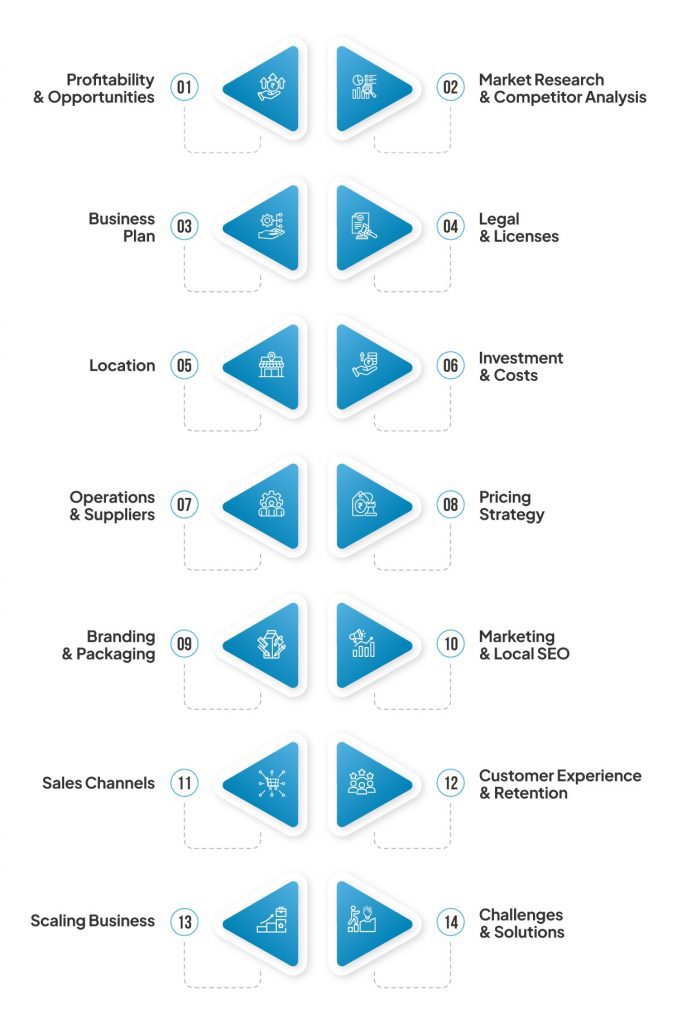
The Indian Sweets market is enormous and primarily insulated from any economic downturn. Demand peaks during the festival season, family functions and giving periods however the steady consumption of sweets on a daily basis gives you a consistent revenue stream all year Long. When starting a sweet shop, you will also enjoy a greater profit margin, especially on freshly made items created in-house.
A properly run sweet shop can generate profit margins of between 20% and 35% depending on the type of product sold and the efficiency of operations. Milk-based sweets, dry sweets, and any specialty items will typically provide more profit margin. This is in comparison to the standard or generic items from the same category. By adding items such as snacks, Namkeen, and beverages to your sweet shop inventory, you will raise your average order.
Before opening up a sweet shop, it is essential to first research how the local market is doing. Each location can have different preferences for what people will buy, how much they will spend, and how much competition exists. Through market research, you can figure out which products will sell and which ones will not, as well as where there are opportunities in the marketplace.
Competitor analysis can also help you define your position in the sweet shop industry. By knowing how other competitors are positioned with regard to premium packaging, traditional recipes, or low pricing, you will have a clear understanding of how to build your sweet shop business plan based upon why consumers are shopping at one store versus another.
A clear sweet shop business plan serves as your guide. Your sweet shop marketing strategies is your vision and outlines a plan for Investment, product strategy, and pricing, and also outlines your growth forecast. Without a plan, all decisions will be reactive and potentially risky, as they will be based on the undefined value of a product or service.
In our sweet shop business plan, we would discuss operational planning in equal detail. Examples would be production capability and sourcing methods and quality control. A well thought out profitable sweet shop business plan will provide you with more certainty when managing your business. It will also improve your chances of building a long-lasting and profitable sweet shop.
The most critical aspect of opening a sweet shop is compliance. The first and foremost thing to do is obtain an FSSAI License for your sweet shop. This will legally allow you to operate – and be inspected for safe food handling practices!
Depending on what type of Sweet Shop you have, this could be a basic, state or central FSSAI license for sweet shop. There are other registrations such as GST and Shop and Establishment Act Registration. It also includes local Municipal approvals.
The second-most important factor in beginning a business that sells sweets is the selection of an appropriate site. Selecting locations where there’s expected to be a lot of people (i.e., residential areas, local markets, temples, and areas next to schools and offices) will give you consistent walk-in customers to your new sweet shop. When first starting a sweet shop, visibility and access frequently outweigh costly interiors or large amounts of space.
Your ability to successfully pick the right location for you can lead to an increase in daily foot traffic. It can also help increase the number of people who become familiar with your sweet shop. Ultimately, reduce the costs associated with the ongoing marketing of your sweet shop.
The amount of capital necessary for a profitable sweet shop business will depend on its size, location, and complexity (set-up). As any neighbourhood shop should be opened for approximately ₹ 5 to 10 lakhs, but larger/pricier outlets will require much higher amounts of working capital than that.
Additionally, you will need to have enough working capital available. This needs to be to cover your operating expenses for at least 3 months after you open. By establishing an accurate and detailed financial plan for your sweet shop like in sweet shop marketing strategies or manufacturing business will assist you in developing an accurate and realistic financial model of your business. This includes for the initial start-up phase, which will help reduce your cash flow problems during this time.
The foundation for a successful sweet shop is operating efficiently. Freshness, cleanliness, and consistency of taste will heavily influence how your business operates. It is key to create a daily production schedule ensuring that sweets are produced daily whilst keeping waste to a minimum. Ensuring your kitchen and display area’s are clean provides peace of mind to your customers and encourages repeat visits as it meets legal requirements and builds customer faith in your business. Any minor lapses in food safety or preparation will directly affect your brand’s reputation.
Equally important to successfully operating a sweet shop is sourcing your raw material(s) from a supplier that you can rely on for high-quality products at consistently fair prices. By developing lasting relationships with your suppliers, you can maintain better control over ingredient prices, avoid disruption to supplies to your shop and therefore improve your margins. Overall, you must have an efficient and well-organized operation in order to build a profitable sweet shop for the long term.
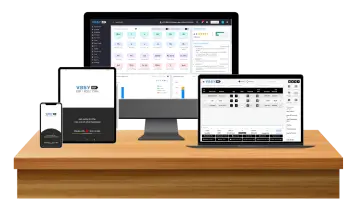
To maintain freshness, reduce wastage, and monitor raw material consumption, many successful shop owners now use sweet shop billing and inventory software. A system like VasyERP allows you to track daily production, manage supplier payments, and monitor ingredient usage helping you improve operational efficiency and protect your profit margins.
A well thought-out pricing strategy is key to your sweet shop’s success in the long term. You want to price your products at a competitive price where they are affordable for customers while also leaving enough room for you to have a reasonable profit margin. You can get an idea of how much to charge by looking at what the competitors are charging for similar items in your area. If you are not competitive, you may lose out on potential customers and cut into your profit margins.
When new shop operators start out, they frequently make the mistake of trying to win customers with low prices; however, this can create issues with margins and long-term sustainability. Established, regular pricing for your products gives customers and potential customers the impression that they can trust your business and view your brand as reliable. Having a pricing strategy in place will help you operate your sweet shop on a daily basis and provide your business with stability going forward by continuing to generate a consistent profit.
Branding and packaging are essential parts of building a successful sweet shop business. Good branding will help your sweet shop stand out from the competition because it provides a memorable name and color scheme that will stick in customers’ minds. By creating an attractive brand image you create a strong brand identity that can be trusted to deliver high-quality products to customers. As a new business owner, having good branding will help you build your credibility for your profitable sweet shop business on day one.
Packaging is also very important because it creates an impression with customers about your products. If you have great looking, hygienically packaged products in your shop, then it shows that you have a good quality product that will make people want to buy/try your sweet shop’s products. Packaging also helps you define your sweet shop as either a premium priced business or a traditional priced business; therefore, helping you establish your profitable sweet shop business by creating a solid identity through your branding and packaging.
Marketing is essential to bring people into your store when they are physically present, but it is also important to get customers to your sweet shop who do not come in regularly. In today’s world, where most people search for local businesses online first, building a strong online presence will allow potential customers to find your shop through Google when they search for “sweet stores near me.” A strong local presence can result from customers finding your business through Google My Business by optimizing listings, collecting reviews, using location-based keywords, and leveraging SEO link building services effectively.
Sweeter ways of marketing including festival discounts, sending out WhatsApp broadcast launches, and working with local influencers will all help increase brand awareness and reach a large number of potential customers very quickly. In order for your local business(es) to be successful, both your offline advertising (through signage and in-store promotional materials) must be working together with your online presence. By working together, you can create a sweet shop brand that is consistently and steadily growing.
The primary mode of sales for a sweet shop is through its retail location. Consumers typically want to buy sweet items from places where they can see a large selection and assess each item’s freshness before making their purchase. There is, however, an increasing trend of consumers ordering and buying sweet items via e-commerce; this is especially true in urban areas. By utilizing food delivery services such as DoorDash or Uber Eats, you can expand your customer base beyond just walk-ins and increase your daily sales volume with minimal marketing costs.
The increase in revenue and margins from bulk orders placed for weddings, holidays, parties, and corporate gift giving is also substantial. Bulk orders allow you to have a consistent revenue stream through large orders and create greater brand exposure. Diversifying your sales channels will decrease your reliance on one sales channel for your revenue. A diversified sales strategy enhances your ability to maintain cash flow stability and achieve long-term sustainable development when establishing your sweet shop.
Loyalty Programs: Establishing customer loyalty through loyalty programs, special discounts for return customers, and developing a personal relationship with each of your customer’s buying habits will help sweet shops retain their customers. Making a strong emotional bond with the customer will encourage them to return.
Customer Retention: Providing an excellent customer experience will convert an occasional buyer into a regular buyer. While customers will first patronize your store for its great taste, their overall customer experience will dictate whether they will come back again. Having a polite and well-trained staff member, providing quick service during peak hours, and providing an established, clean, and hygienic environment will create a sense of trust and comfort for the customer. Having a strong loyal following will help your sweet shop be successful, because repeat customers will ensure you will have steady sales and long-term stability.
When your sweet shop becomes consistently successful and stable you can look into ways of growing this successful business soon after that! There are many methods for growth such as adding new locations for your sweet shop business, creating a production kitchen that supplies multiple locations or franchising out your business. However, each of these options will require varying amounts of dollars to invest in those options, plus additional management needs to be addressed.
During any of these expansions, it is imperative to maintain the same level of taste/quality and hygiene across all locations. Just one location may have different taste, quality or hygiene compared to other locations, it may affect how a customer views and trusts your brand, which may lead to them becoming less loyal to your business. Therefore, before making any decision about growing your sweet shop business, each of those decisions must have been given proper consideration and must align with your strategic plan for your sweet shop business. This type of careful consideration when evaluating how / when to grow will allow for you to continue to grow successfully without compromising your core values!
Running a sweet shop poses numerous challenges for retailers trying to survive in an ever-changing, competitive, and low-cost environment. Some common issues include escalating prices of raw ingredients such as milk, sugar, ghee, and dry fruits that affect profitability. In addition, another challenge faced by these retailers is how to handle employee turnover; both types of employees need to stay in order to continue providing consistent food product quality, as well as running daily operations. Finally, retailers must also handle the impact of seasonal sales fluctuations; for instance, during holiday peak season, there may be a considerable increase in revenue, but after the holiday has finished, many retailers will only receive minimal or no income for an entire month.
By employing strategic and thoughtful planning and executing timely strategies, sweet retailers can effectively mitigate and overcome these challenges. One way that sweet retailers can reduce waste and control costs is through the implementation of efficient inventory control procedures. In addition, ongoing employee training programs can assist with retaining qualified and productive employees through compensation incentives. Lastly, creating a broader product mix including items such as snacks and/or namkeen, can help to balance some of the seasonal declines in sales. By planning ahead and implementing these strategies, the sweet shop retailers can ultimately ensure the stability, flexibility, and profitability of their stores for the coming future years.
Opening a sweet shop is more than just having an interest in candy, but requires careful preparation and adherence to the procedures involved in the startup. Every step is important to opening your sweet shop successfully, including how you obtained your required licenses, your location selection, cost control, and how you introduced your sweet shop and your name to your potential customers. If any one of these four functions of your business plan is improperly executed, it could affect your ability to sustain your sweet shop operation into the future.
The first step to opening your sweet shop will be to conduct the necessary market research and develop a clearly written business plan for your sweet shop that will establish your goals, funding needs, and future growth plan. You should also emphasise from day one how you will maintain the quality of your product, provide your customer with a hygienically safe product, and create a good customer experience. If you do this with patience, consistent effort, and planning for the future, you can establish a profitable, reputable sweet shop business that will provide your community with good service and last for many generations.

Explore the steps on how to start a stationery business...
August 1, 2025

When you're on the hunt for a bookstore POS software th...
January 12, 2024

July 10, 2026

July 8, 2026

June 15, 2026

June 5, 2026

June 1, 2026