Purchase Management: What It Is, Its Benefits, Importance, and Process
March 6, 2026

March 6, 2026
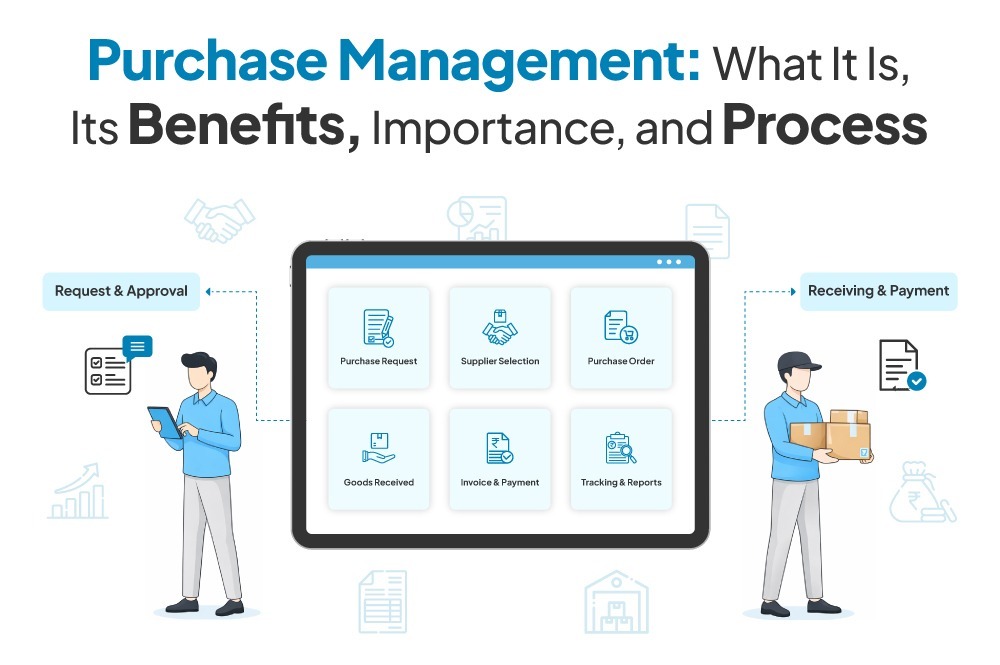
In this blog, we are going over what the term "purchase management" means and why it is essential to the success of your company. We will detail the key importance of purchase management and highlight several of the significant benefits. This includes benefits such as cost containment and improved supplier relationships. It also includes processes such as laying out the overall process of purchase management in sequential order from start to finish. The second half of this post will also address some of the difficulties with manual procurement systems. It will also provide an overview of how an ERP system can enhance the efficiency and control over the company's finances.
Businesses of every size have just as much product/service need, and a steady supply of those products/services (goods) is essential for all businesses to perform smoothly. For example, raw materials, office supplies, machinery, services, etc., need to be purchased in an efficient manner and at the correct timing. Therefore, the importance of effective purchase management.
According to Deloitte, organizations with structured purchasing processes reduce procurement costs by up to 12% annually.
Purchase management ensures that businesses purchase the right product, from the correct supplier, at the correct price, and at the correct timing. Now by effectively managing purchase management, the businesses are able to control their costs and maintain quality. They are also able to avoid being disrupted in their normal operations. In today’s increasingly competitive business environment, understanding that utilizing a structured purchasing methodology is not only a requirement to be successful. But it is also necessary for continued success (profitability and growth).
Purchase management is the complete purchase process for a company. It includes all processes related to producing and purchasing. It also includes receiving and paying for goods or services required by the organization. This includes activities such as sourcing suppliers and negotiating prices. It may also include creating purchase orders and tracking the delivery of goods and/or services, among others.
Procurement and purchase management are different. Procurement is the larger function of determining organizational needs and developing strategies to source those needs. This is done while purchase management is strictly the mechanical and transactional aspects of purchasing goods and/or services.
A properly defined purchasing function creates appropriate use of materials when needed. This is done without over purchasing and reduces waste. It also reduces the opportunity of fraud and develops better relationships with vendors for ongoing business relationships. Simply put, the purchasing function provides a method for connecting the internal needs of the organization. This is ideally done with external suppliers in a controlled manner.
Purchase management is more than simply obtaining supplies; it is critical for impacting cost control, cash flow, vendor relations, and general company productivity.
Ineffective purchasing can lead to numerous problems. This includes delayed production and over-buying. It also includes getting poor quality items and financial leakage. A structured process will help ensure that your purchases and expenditures align with your budget and operational needs.
Purchasing effectively will also improve vendor relationships and develop long-term valued partnerships. This in turn, results in better pricing and priority shipments alongside better quality overall. Additionally, managing your purchasing will help you reduce fraud and duplicate orders.
There is no greater example of the importance of purchase management than in companies experiencing growth. This is where they need to be more proactive in controlling their expenditures and the performance of their vendors while they scale their operations. Indeed, if a business can effectively plan and monitor their purchasing processes, then it can maintain quality standards. It can also control expenses and ensure there are no interruptions in their business operations.
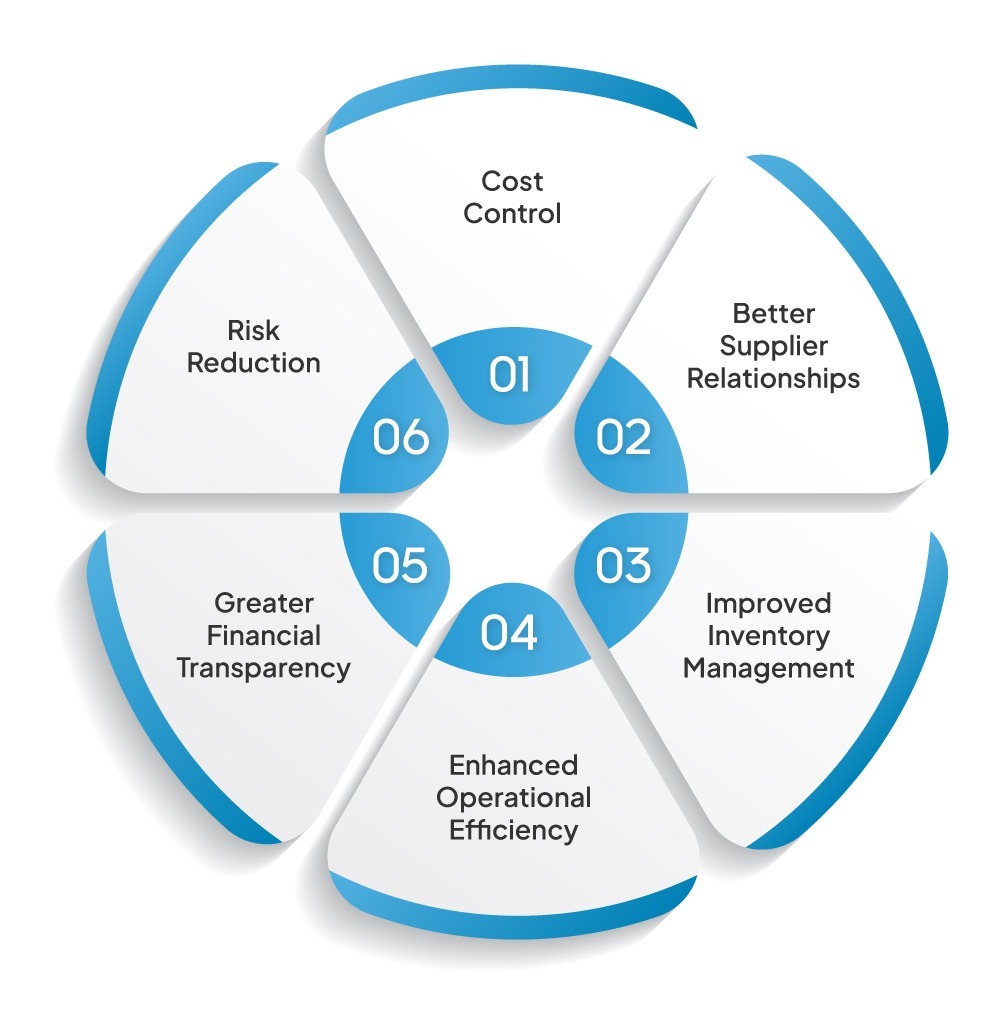
The long-term benefit of structured purchasing is creating an organization with both money saved and strong operational control and accountability with suppliers. This section will highlight numerous major benefits that purchase management provides businesses. It involves benefits such as having an effective means of tracking and controlling their purchases, among several others.
Purchasing can facilitate the comparison of supplier prices, provide an opportunity to obtain better pricing through negotiation techniques, and help prevent overspending through controlled purchasing and prevent buyers from purchasing more than they need.
Consistent communication with suppliers and a good-faith relationship through the buying process will help you achieve desirable outcomes such as discounts, flexible payment terms, and priority service.
A business can create a strategy to prevent it from having too little or too much product in its stock by properly tracking the purchase of items such as office supplies to keep an accurate quantity on hand.
Having structured workflows will create less confusion and delay in moving a request through the process. All employees will know what steps require approval and what documentation needs to be submitted. They will also know when to move through each stage of the purchasing process, which will help them do their jobs more effectively.
Companies can determine their entire purchasing history by tracking and documenting their activity; this will help with audits, budgeting, and forecasting.
Purchasing controls with formal approvals and an evaluation of suppliers will help organizations minimize their risk of exposure to fraud, duplicate purchase orders, and compliance issues, thus protecting the organization from legal and financial exposure.
Organizations that establish an effective structure for managing purchasing will be able to maintain financial stability and transparency by minimizing purchasing risks. They will also have the ability to maximize resources and create a strong foundation for sustainable growth for many years to come.
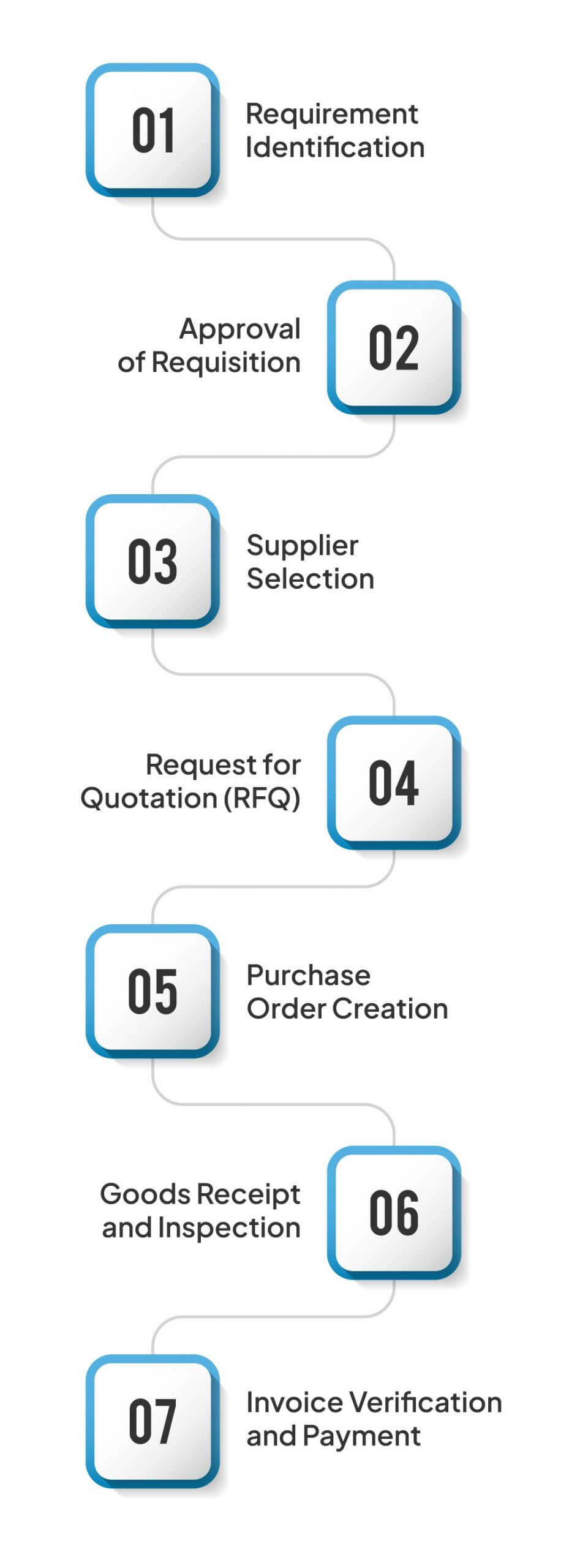
The purpose of a purchase management process is to ensure a standardised process is in place to reduce errors and enhance accountability for suppliers and the purchaser. When organisations have a clearly defined process for each step, then that organisation has control over the entire purchase lifecycle from request to payment.
The following highlights a simplified version of the typical Purchase Management Process:
The structured procurement process aids organizations with clarity, control and accountability. This is done throughout all phases of procurement (from requisitioning goods/services until payment is made). Each step in the procurement process (from requisition to payment) is standardized. Therefore, there are fewer errors and greater process efficiency within an organization’s procurement system.
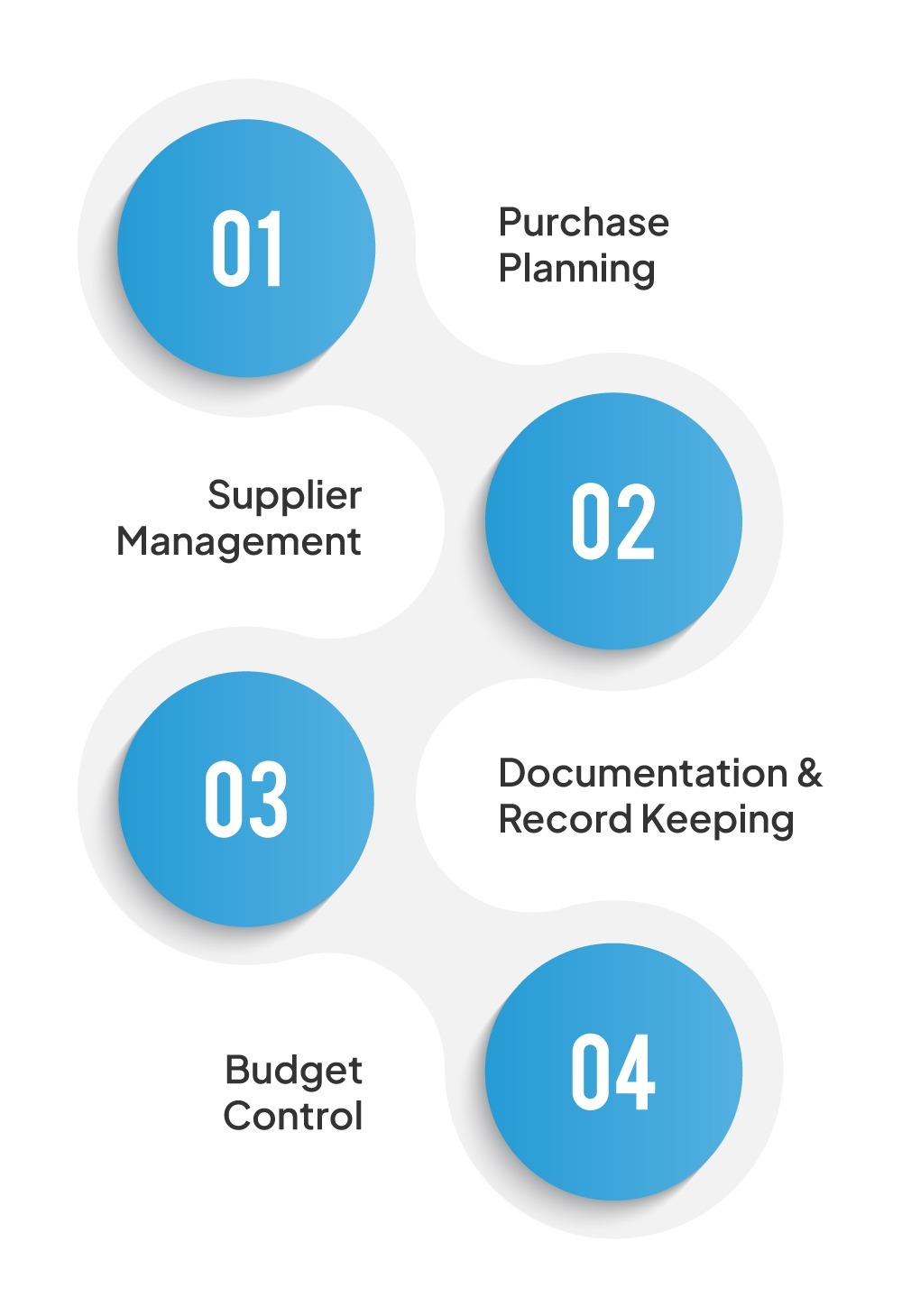
A good purchasing structure is based on a few key elements. These basic pieces help ensure that different departments, suppliers, and financial groups work together. All while being accountable and controlled.
By forecasting demand and aligning purchases with production or operations needs, purchasing can avoid unnecessary purchases and the need for emergency orders.
Through evaluating supplier performance, negotiating contracts, and communicating with all involved parties, suppliers will provide products in a reliable manner and meet the quality expectations of the purchaser.
Providing complete and accurate documentation for each purchase will give companies transparency, meet compliance requirements, and facilitate auditing of their purchasing activities. Examples of documentation would include purchase orders, supplier’s invoices, and contracts.
By monitoring actual expenses to the budget allotted, purchasers will avoid being over-budget. By being mindful of their expenditures relative to their budget, purchasers will be able to prepare more efficiently for future events.
These days in regards to the manual (or traditional) way that businesses currently procure products, we see ineffectiveness, and we see inaccuracies very often because they create operational threats for companies that are business to business and lack automation in their processes.
| Challenge | Explanation |
| Paperwork Errors | Because information is being entered manually, there are more chances for duplicate purchase orders, more chances for incorrect quantities, and more chances for pricing errors (inaccuracies). All of these things can negatively affect a company’s budget. |
| Lack of Transparency | Obtaining accurate information regarding where purchases are currently at (the stage of purchases) is cumbersome, which impacts approval processing time and the ability to communicate effectively among business units. |
| Slow Approvals | Using cumbersome paper documents will take longer to process approval for a purchase; this will extend procurement from the time a request comes in to when that purchased item is received. |
| Limited Data Insights | There is no way to get a good understanding of spending trends or accurately assess the performance of suppliers because processes are all manual. |
| Poor Compliance Control | Because there are no formalized checks and balances in a manual process, there will be far more chances for unauthorized purchases, policy violations, and fraud. |
| Inventory Mismatches | Since inventory levels are updated manually, inventory records will be inaccurate resulting in either a product shortage or excess inventory of other products. |
More businesses are implementing more ERP (Enterprise Resource Planning) solutions in order to improve the function of their purchasing processes. Purchasing management system integrated into ERP software automates the complete workflow of the purchase process, as it pertains to the purchase requisition management system. It also automates the purchase order, from the time the request is made until payment is made.
Through the use of an integrated purchase management dashboard, the managers can monitor and approve purchase requisitions. They can also track supplier performance and have complete control of budgets all in real time. The ERP purchasing process allows for linking of purchase orders to goods receipts and both of these to invoices, which reduces both manual errors and duplication.
Companies that use purchasing management software gain greater visibility. They can access their spending patterns and supplier analysis with more efficiency. Similarly, the automated alerts will help businesses avoid delays in fulfillment. It will also help ensure compliance with company policy.
A purchasing system based on ERP also greatly enhances the reporting capabilities of companies. Thus, this makes auditing very straightforward and accurate. Therefore, ERP changes the purchasing function from being reactive to also being very strategic and data-driven. This will also accelerate the growth of your business.
With today’s highly competitive environment, organizations must minimize any inefficiencies related to their purchasing processes. Now by defining a structured approach to purchase management, an organization can assure that it purchases its materials and services efficiently. This can be done in a systematic fashion and at an appropriate cost. It will also have very little impact on the organization’s operations.
Companies that will improve their purchasing management processes will not only realize cost savings. But will also have built a more resilient supply chain. The result of an effective purchasing process will be an improved operating environment and greater profitability. It will also be a stronger foundation for continued growth.
1. What is purchase management in simple terms?
The structured process of acquiring supplies and services that a business needs to run is called purchase management. It consists of identifying required items and finding vendors. It also consists of creating purchase orders and receiving items purchased while paying for those items. The purpose of this system is to manage costs while maintaining the quality and timeliness of delivery. It also involves providing for the efficient functioning of the business without any waste.
2. How is purchase management different from procurement?
Procurement refers to the overall strategy of determining what an organization needs in the process. It also involves finding reliable vendors to fulfil those end to end needs. Purchase management on the other hand deals with the transaction and day-to-day operational aspects. This is generally related to the purchasing function. It involves issuing purchase orders and receiving goods & services purchased. Procurement is strategic, whereas purchase management is tactical and operational.
3. Why is purchase management important for growing businesses?
As companies grow, they are more likely to buy more things and work with more suppliers. Organisations without having a structured purchasing management system in place can be at risk of overspending. They can also be at risk of delays and/or receiving poor-quality products. Organisations’ clear procedures will be able to manage their costs even better and strengthen their relationships with suppliers. This also ensures that their budget is followed and helps minimize the risks of fraud or placing duplicate orders. All of which will contribute to a steady and scalable growth for your business.
4. How does an ERP system improve purchase management?
An ERP System manages the entire purchasing process – from requisition through to payment – in one place. It integrates purchase orders, receipts for goods, and invoices into one system. The entire automation of the entire purchasing process eliminates manual errors. It also accelerates approvals and enhances financial visibility. This allows for real time reporting and enables businesses to measure their suppliers’ performance more effectively.

The guide to e-invoicing for MSME’s provides the crit...
December 29, 2025
The future of retail in India will be affected by AI th...
May 14, 2026

June 15, 2026

June 5, 2026

June 1, 2026

May 29, 2026

May 22, 2026