Cash Flow Management for Small Businesses: A Complete Guide
March 20, 2026

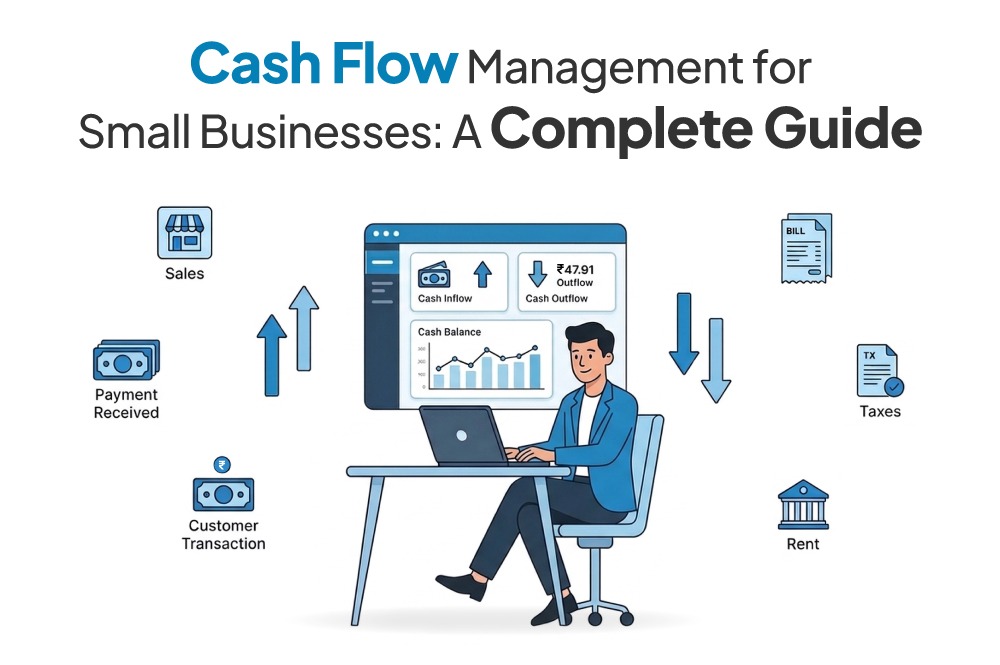
Small scale businesses fail to thrive because there is a lack of appropriate and effective financial control. While the focus is primarily on increasing revenue, liquidity often takes a back seat. This guide explains how the owner of a small business can track the movement of funds, create budgets to track spending, and anticipate shortfalls. It discusses all of the financial statements. It also takes you through all of the budgeting (forecasting) and strategies for ensuring the stability and growth of all small businesses today.
Many smaller businesses will fail even when they appear to be doing well financially due to mistakes with tracking cash flow in addition to tracking revenue. Every day businesses will experience cash inflow and outflow. When less cash is flowing into the business than is required to operate, the business operates under stress. This is the only reason why cash flow management is important to every entrepreneur. By properly tracking cash flow, the owner can manage expenses and payments, as well as to ensure there is sufficient cash for daily operations.
A solid financial discipline allows a business to survive through slow months and grow through busy months. When owners properly understand their numbers, they can make sound decisions. This guide will define many of the key terms. These are related to cash flow control and provide some basic tools. It is also related to strategies for controlling liquidity in order to build a stronger business.
Cash flow management is the process of monitoring cash flow between two organizations (the business and the customer). Through monitoring cash flow, business owners will know if they have enough funds available to operate their business. Businesses can receive cash flow from many sources, including but not limited to, sales, investment, or financing sources. However, a business also has outflows (expenditure) for such items as payroll, rent, supplies, and taxes.To maintain the balance between cash flow, a company must ensure that total cash inflows exceed total cash outflows. If the outflows of cash exceed the inflows of cash, then a company may experience cash flow problems.
The monitoring of accounts, making of payment plans, and review or records is done by the owner. Reports and forecasts assist in making decisions.Now even if you are a profitable company, it’s possible to go out of business without any kind of cash flow management (liquidity). It ensures that there is enough cash on hand at all times for day to day operations. It also ensures that there is enough cash to cover payment dues to shifts in the market or fluctuations in seasonal sales cycles.
The majority of small businesses do not have financial reserves. So when there is a delay in payments or an unexpected expense, the business will not be able to make ends meet. The tracking of cash flows and the stability of operations create sustainable financial health for a business owner.
Business owners rely on a steady flow of cash to pay their employees and suppliers. Even if the flow is disrupted for only a short period of time, it can impact the business greatly. Having good fiscal control allows business owners to plan with confidence. Owners will know when to invest in marketing, hire staff, or grow their company.
Additionally, good relationships develop with vendors and lenders through all of the reliable payment transactions. When business leaders can see how money moves through their company, they do not make panic decisions. Instead, they plan their company’s growth and maintain their company’s longevity with confidence.
Business owners must understand four different categories of cash flow for their business to properly assess its financial health. Each cash flow category reflects a specific financial transaction that a business may engage in.
| Cash Flow Type | Description | Example |
| Operating Cash Flow | Money generated from core business activities | Sales revenue minus operating expenses |
| Investing Cash Flow | Money used for purchasing or selling long-term assets | Equipment purchase or property sale |
| Financing Cash Flow | Money received from investors or lenders | Loans, equity funding, or dividend payments |
These categories provide insight into the business’s overall success and assist the owner in identifying potential problems before they impact the business positively or negatively. Now understanding all of the different categories will allow you to analyze your business more effectively. It will also help improve your overall productivity.
Generally, many small business employees experience financial instability. Where sales may continue to increase, however, cash flow will be less. The purpose of this section is to identify the issues that cause instability, for example:
| Problem | Description | Impact |
| Late Customer Payments | Clients delay invoices | Payment obligations increase |
| High Operating Costs | Expenses rise faster than income | Profit margin drops |
| Poor Budget Planning | Owners fail to estimate expenses | Funds run short |
| Excess Inventory | Stock ties up funds | Liquidity decreases |
| Rapid Expansion | Growth increases expenses | Short-term financial pressure |
These issues can affect daily operations and the future growth of your small business. Owners need to manage their cash flow and maintain their discipline. Through diligent management of all their businesses, owners will avoid business interruptions and maintain financial stability.
When creating a cash flow statement for your business, it’s important to understand that this document encompasses all of the movements of cash in and out of your company for a particular period of time. The cash flow statement details inflows and outflows as a result of operating, investing, and financing activities. To create a cash flow statement, the owner would typically gather the pertinent information from the accounting records. Once all the information has been gathered, it is then organized into income and expense categories. This is done in accordance with the corresponding activity.
Cash flow statements should be structured in a clear and easy manner. This is done to allow the owner to analyze patterns and identify potential financial deficiencies/shortfalls. A cash flow statement typically consists of an opening balance, incoming cash, outgoing payments, and an ending balance. Creating an accurate cash flow statement enables the owner to plan for what future cash flows will be. It will also help relate these expectations to their projected budget. Investors and lenders typically require a copy of this statement. They generally require this in order to assess funding for start-ups and existing businesses.
When owners maintain accurate accounting records, they develop insight into all of the financial strength of their business. This information enables owners to control expenditures. This also helps them develop an investment strategy and avoid running out of cash.
Having good financial discipline will help your business avoid issues related to liquidity (having enough cash). There are many ways that business owners can maintain a high level of financial stability and also manage their cash.
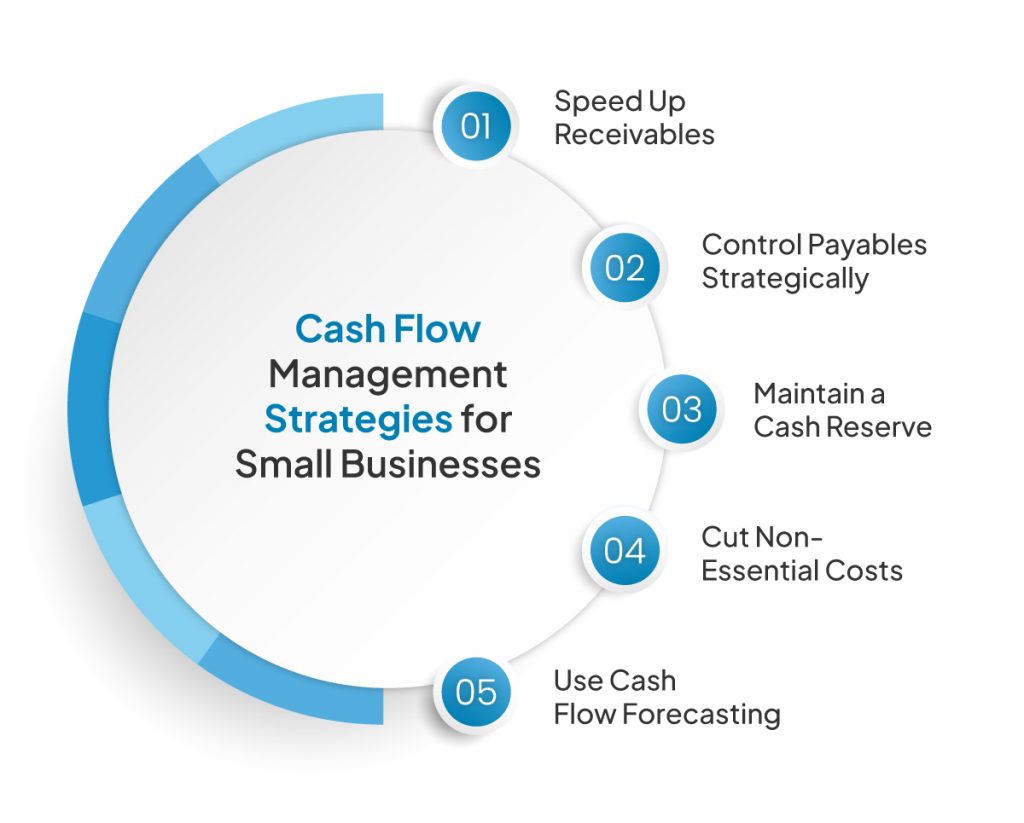
To encourage your customers to pay faster, provide them with clear terms of invoice payments. Offer customers digital payments. Send invoices immediately, when you complete a job or deliver said goods. When you collect invoices quickly, you will have more cash available to continue operating.
Use the terms of your invoices to strategically plan when to pay your suppliers. Only pay your suppliers early if you are going to receive a discount. It is important to develop a positive relationship with your suppliers while ensuring your business remains liquid.
Having a cash reserve for your business provides protection during slow sales times or unexpected expenses for your business. Building a reserve means you will rely less on borrowing in an emergency.
Look for operational expenses that can be eliminated. Identify and reduce waste in subscription and utility expenses and inventory purchasing. Controlling the amount of money being spent helps to protect your business’s resources.
Cash flow forecasting is the process of forecasting where your business will be financially based on projected income from sales, expenses, and other expenses. Forecasting helps you prepare for future shortages of cash. It also helps in revising your spending plans accordingly. Now, applying the above strategies will significantly strengthen your business’s overall cash flow management. Remember that understanding your financial situation provides for a stable and long-term growing business.
Forecasting cash flow refers to predicting how your company’s finances will flow in the future. Forecasts are important tools for planning and avoiding liquidity shortages. This is done by projecting future cash inflows and outflows.
The first step in developing a cash flow forecast is to review your past financial records. This will help you identify trends and patterns within your revenue stream. The next step is to estimate what your sales will be during the forecast period. It will also be around any anticipated expenses (such as payroll, rent, vendor payments and taxes). Good estimates will provide a reliable cash flow forecast.
Forecasting cash flow can help small businesses better manage their cash by identifying potential cash shortfalls before they occur. Business owners will update their forecasts each month based on actual data. Doing this strengthens their financial awareness and helps them make better strategic decisions. A good cash flow forecast can protect a company against unexpected cash shortfalls. It also provides business owners with the confidence to make successful investment decisions.
Contemporary accounting software helps business owners accurately monitor their financial activity. These software applications provide reports and project management reports. It also provides information that will help simplify the financial planning process.
Some of these software solutions provide automated reports or project management reviews, Others will also provide a structured format for a cash flow statement, making the analysis of finances easier.
A cash flow statement that is updated increases the ability to find out how well a business is doing financially. It also helps in improving accuracy, which will allow businesses to reduce the time spent doing manual data entry. This results in increasing their ability to make informed and quick decisions.
The difference between a company’s current assets and liabilities is what defines its working capital. Essentially, it indicates whether or not the company has enough cash to satisfy all of its short-term financial obligations.
Companies with strong working capital have stable day-to-day operations. They are also able to pay their suppliers, employees and all other operating expenses without delay.
The financial position of a business is impacted by all of its accounts receivable and accounts payable. Business owners must adequately manage all three of the components. This should be done in order to maintain equilibrium.
The proper management of working capital can help with cash flow management. It will also help create more financial stability for businesses. Now by having greater flexibility with their working capital, businesses can take advantage of opportunities for growth. They can also deal with seasonal fluctuations and react to changing market conditions.
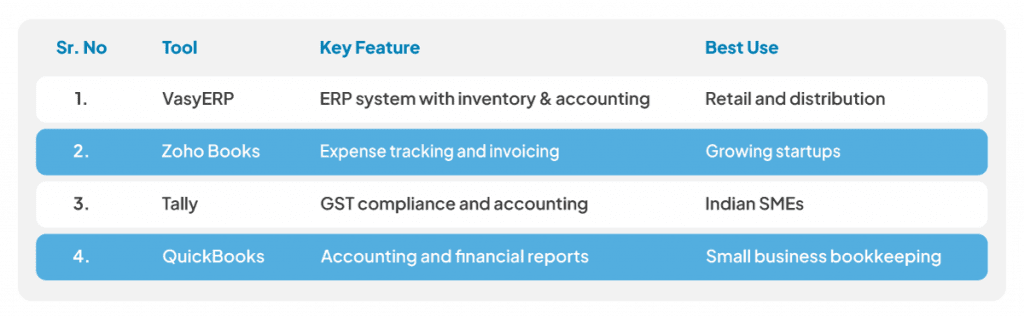
VasyERP also allows small businesses to better track their finances across multiple systems, such as their sales and inventory, as well as their accounting systems.
VasyERP integrates all of a small business’s financial transactions right from sales, inventory, and accounting into one platform. It provides small business owners with a clear picture of how money is flowing through all of the different parts of their business.
The automated financial tracking capabilities of the VasyERP platform allow small businesses to reduce their manual errors. It also helps provide more accurate financial reporting. This makes it easier for businesses to do operational planning.
With the strong visibility of their business finances, small businesses will be able to better manage their liquidity. They will also be able to remain operationally sound as they transition through growth cycles.
Small businesses have to be very disciplined financially in order to survive or operate effectively. Small business owners must accurately monitor the amount of money they have coming in and going out. It is indeed a fact that keeping structured reporting processes will create confidence and transparency. Properly managing cash flow will allow all of the owners to keep the business operating smoothly, It will also help prepare for business growth opportunities. This can be done through mitigating the effects of unanticipated shortages alongside fluctuations in the economy.
It is imperative that every entrepreneur develops a habit of regularly reviewing financial reporting. The owner must also review all of the planning expenditures in a disciplined manner. When leaders have a grasp on utilizing their financial data, they will make more informed decisions. A healthy cash flow enhances all of the business operations and supports continued business expansion. It also undoubtedly supports long-term sustainable success.
1. How does GST affect working capital and daily cash flow?
The effect of GST on working capital is that when a business purchases goods there is a tax that has to be paid on those goods. If there are delays in receiving refunds or if the tax credit cannot be used will leave the business with cash tied up. This increases the financial strain on the business and will require good planning and disciplined accounting practices.
2. Which software helps manage cash flow for small Indian businesses?
There is a range of software applications available to small business owners for tracking their finances and cash flow. Well known choices include: Tally, Zoho Books and VasyERP. All of these types of applications provide support in tracking invoices. The applications also help with tracking of all the expense transactions and providing financial statements. Now using this type of application will allow the business owner to monitor liquidity. It will also help maintain accurate financial records.
3. What is the best way to forecast cash flow for a small business in India?
The most accurate way to prepare a cash flow forecast is to review the last three to six months of financial data. One should also review the project’s future income and all of the expense transactions based on past results. When projecting future transactions, the business owner should consider projecting all of the sales. They must also consider paying suppliers, paying employee salaries, paying taxes, and paying rent. Updating the cash flow projections on a monthly basis is a good practice. This helps to improve the accuracy of the predictions and to improve financial planning.
4. How much cash reserve should a small business keep on hand?
The majority of experts agree that a small business should maintain cash reserves that cover three to six months of operating costs. This cash reserve protects the business in times of low sales, delayed payments, or unplanned expenses. Having a cash reserve provides greater financial security for the business. Now having a financial cushion decreases all of the business’s dependence on borrowed funds.


With the Mera Bill Mera Adhikar Reward Scheme, the gove...
September 26, 2023

Being a retailer, do you ever struggle to maintain the ...
May 6, 2024

July 10, 2026

July 8, 2026

June 15, 2026

June 5, 2026

June 1, 2026