ABC Analysis
ABC Analysis is an inventory management method that classifies items into three groups - A, B, and C based on their value and importance. A items are high-value products that need strict control and frequent monitoring. B items are medium-value products that require moderate attention. C items are low-value, high-quantity products that need simple, routine management. This method helps businesses focus more on critical items, reduce costs, and improve overall inventory efficiency.
Accounting Software
Accounting software helps businesses record, manage, and track their financial transactions in one place. It automates key tasks such as invoicing, payroll calculation, expense tracking, and tax management, reducing manual effort, and minimizing errors. Most accounting software provides real-time visibility into cash flow, income, and expenses, helping business owners make informed financial decisions. Advanced platforms also offer customization, fraud detection, and integration with other business tools. It is widely used by startups, small businesses, and large enterprises alike to maintain accurate financial records and ensure compliance.
API Integration
API Integration is a process that connects multiple software applications, allowing them to automatically share and exchange data without manual entry. It helps businesses sync information across platforms such as CRM, ERP, accounting, and e-commerce systems, keeping data accurate and up to date in real time. API integration eliminates duplicate data entry, reduces errors, and speeds up workflows. Common examples include online payment gateways, shipping services, and cloud-based reporting tools. Businesses of all sizes rely on API integration to build smarter, more connected, and scalable operations.
Auto Replenishment
Auto replenishment is an automated process used to replenish inventory levels when items go below a pre-set minimum stock level. Instead of manually checking stock levels, this system will automatically place purchase orders or transfer merchandise based on the sales history, usage and projected demand if certain items run out. It solves out-of-stocks situations, delays, and lost sales - particularly in high volumes of retail, wholesale and manufacturing. Auto replenishment increases accuracy in the supply chain, reduces manual labor, and ensures important product do not go out of stock.
Aging Report
An aging report is a type of financial record that displays outstanding customer invoices, organized by the length of time they are overdue. It often categorizes balances into time segments of 0-30 days, 31-60 days, and over 90 days. Aging reports are used by businesses to manage credit risk, determine which accounts or invoices to follow up, and to enable timely collections. This report would show you which customers or invoices are late and can help forecast cash flow, and keep the business financially healthy. Aging reports are an important component of managing accounts receivable and collecting payments on time.
Accounts Receivable (AR)
Accounts Receivable (AR) is the money owed to a business for goods or services delivered on credit but not yet paid. AR records typically include invoice numbers, due dates, outstanding balances, and payment history. Efficient management of accounts receivable is essential for maintaining healthy cash flow and avoiding late payment issues. Many businesses use automated reminders, defined credit terms, and billing automation to streamline their collections process. Accounts Receivable is also a key financial metric used to assess liquidity, customer reliability, and overall business performance
Accounts Payable (AP)
Accounts Payable means money a business owes suppliers or vendors for goods or services already received but which have not yet been paid. It tracks unpaid invoices, payment deadlines, and vendor details to ensure timely and accurate payments. A well-managed AP process helps businesses to avoid fees for late payments, enhances the relationship with suppliers and vendors, and provides the business with an overall functioning picture of cash flow planning opportunities. Accounts Payable plays a vital role in budgeting, tracking expenses, and financial reporting in retail, manufacturing, and service based businesses.
Barcode Scanning / Barcoding
Barcoding is the process of marking products with machine-readable codes, while barcode scanning is the act of capturing that information instantly using a scanner or mobile device. Both of those tasks, among other things, help businesses and industries eliminate manual data entry, which speeds up the process and minimizes human mistakes for any task related to billing, inventory tracking, and logistics. Furthermore, barcodes assist with tracking product movement, checking out quickly, and maintaining precision. Many businesses in areas such as retail, warehousing, healthcare, and manufacturing depend on barcoding to maintain efficient processes.
Batch Management
Batch management is used to define a group of products that may have similar run production date, characteristics, or expiration dates. Each of those groups is assigned a specific code, batch number or other unique identifier to allow the tracking of stock movement, quality, and compliance periodically in the supply chain. The process for batch management is used in many commercial industries such as pharmaceutical, food processing, cosmetics, and manufacturing, among others. Batch management addresses traceability, recalls, rotation for storage, and consistency within the product and industry; as well as being able to document findings when required for regulation.
Bill of Materials (BOM)
A Bill of Materials (BOM) is a comprehensive list of the materials, parts, and instructions needed to assemble or manufacture a finished product. The BOM operates like a blueprint for production by stating the quantities and part numbers. It lays out the proper steps to complete the assembly and identifies the required tools. BOMs allow for accurate cost estimates, proper planning of procurement timing, prevention of shortages or excess inventory, and set the proper production schedule. In manufacturing, BOMs help maintain consistent production practices. BOMs are important to production planning processes and supply chain management, while also aiding cost control.
Billing Software
Billing software automates the entire invoicing process and payments. It also helps manage customer billing details and smartly track balances. It helps to eliminate manual paperwork, minimize possible calculation errors, and organize financial processes. Features in billing software may allow for tax calculation, automated reminders for a payment, online payment processing, recurring charges, and customizable invoices. A business may install billing software to efficiently serve customers with speed, while providing more accurate financial records. Billing software for a business is advantageous whether they are working in retail, SaaS, service providing, healthcare, hospitality, or wholesale billing.
B2B (Business-to-Business)
B2B refers to business transactions that take place between two businesses. B2B transaction examples can be wholesalers selling to retailers, software companies to enterprises, and suppliers to manufacturers (for raw materials). B2B transactions tend to have larger order sizes, unique pricing, and longer sales cycles. B2B focuses less on impulse and transactional consumer purchases and non-loyalty-driven purchases and instead focuses on relationship-building, perceived long-term value, and operational efficiency. B2B is heavily reliant on contracts, negotiation, and account-based strategies in contrast to impulse-driven consumer marketing.
Break-even Point
A break-even point is the point at which a business's total revenue is equal to total costs, which means there is no profit or loss at this point. It is helpful for companies to understand how many units must be produced in relation to expenses. Break-even point is a very useful metric for new businesses, new product launches, and firms in cost-sensitive industries. Calculating break-even points ultimately Reduce risk and aids their financial strategy overall.
B2C (Business-to-Consumer)
B2C indicates transactions where businesses market and sell products and/or services to end consumers. Retail establishments, e-commerce websites, and subscription-based applications are all examples of B2C models. B2C transactions commonly have shorter sales cycles, accurate and certified pricing, and an emotional or convenience-based purchasing behavior. When it comes to marketing B2C products, the companies will focus on branding, customer experience, and quick decision-making. Generally, the B2C model is heavily reliant on product demand, user experience, and repeat customers.
Balance Sheet
A balance sheet is one of the most important financial statements, as it outlines the current assets, liabilities, and equity of the company at a specific moment in time. The balance sheet provides a snapshot of the financial health and stability of a company, allowing leaders to figure out what the business owns, what it owes, and ultimately, what it's retaining. Balance sheets are essential for strategic planning, compliance, and performance control, especially if a user wants to assess profitability or risk, or ultimately, business valuation.
Cash Flow Management
Cash flow management is the act of tracking and managing the money going in and out of a business. It makes sure that the business has adequate cash available at all times to finance its day-to-day operations, investments, and any unexpected costs in unexpected situations. Adequate cash flow management serves to minimize the risk of running low on cash, delaying payments, and stressing over finances. High-quality cash flow management improves stability in the long term, supports the business in determining growth opportunities, and allows the business to operate throughout the various challenges of seasons and economic conditions.
CRM (Customer Relationship Management)
CRM (Customer Relationship Management) is a tool or system that helps businesses manage their customer information and interactions in one place. CRM software allows the business to develop greater customer relationships, develop better follow up processes, facilitate a more personalized approach to communication, and improve demand conversion rates from prospective clients. CRM tools enable the business to analyze customer data in one location, automate tasks, and gain insights into customer behavior and pipeline activity. CRM tools are common in retail, services, and B2B sales environments. CRM applications improve customer experience, drive retention, and improve revenue through organized and efficient customer management.
Cycle Counting
Cycle counting is a method of auditing inventory that involves checking small quantities of items based on a predetermined schedule, rather than relying on a full inventory count. Cycle counting has the benefit of limiting operational disturbance and encouraging the early detection of variances. Cycle counting increases inventory accuracy, decreases shrinkage, and provides a reliable inventory record for the entire year. Companies use cycle counting to maintain real-time inventory accuracy in inventory-intensive environments, such as warehouses, production facilities, and retail stores. Cycle counting also allows us to better support forecasting, planning, and supply chain decisions.
COGS (Cost of Goods Sold)
COGS (Cost of Goods Sold) is the direct expense incurred to produce or buy items that have been sold by the business. COGS includes the cost of raw materials, labor incurred in producing the item, production expenses, and the wholesale cost of items purchased. COGS does not include additional costs such as marketing or the salary of administrative staff. Tracking COGS is helpful for determining pricing, calculating gross profit, and assessing the performance of the financials for the business. A lower COGS increases profitability, while a high COGS may suggest inefficiency in your operations. COGS is an important metric in budgeting.
Cash Flow
The term cash flow means the inflow and outflow of money that a business has during a defined timeframe. A positive cash flow means a business is not spending more than it is earning, while a negative cash flow signals financial problems. Controlling cash flow allows businesses to plan their expenses, manage their debt, and make clear investment decisions. Cash flow is essential for everyday operations, future needs, and overall sustainability of the business. Cash flow is commonly calculated using cash flow statements or forecasting models.
Coupon
A coupon is a marketing strategy to provide a reduction in price or some type of special offer to entice consumers to purchase either a product or service. Coupons can be either digital or printed, and some can be applied directly in the cart of an e-commerce site. Businesses use coupons to provide incentives to boost sales. Coupons can also be a component of a loyalty plan, where consumers receive a coupon for future use for repeat purchases. Coupons provide brand exposure to the consumer, promote consumer engagement through increased purchases, and ultimately generate a profit.
Credit Note
A credit note is a form of document provided to a customer for a billing error, for a return, or an overpayment. A credit note is not an immediate cash refund, instead, the credit amount can be forwarded to future purchases or open invoices. Credit notes help to keep proper accounting records, foster transparency and help maintain customer satisfaction. Credit notes are primarily found in the wholesale, retail, e-commerce, and service billing environments. Credit notes are an essential component of accurate financial adjustments and accounting standards.
Data Migration
Data migration refers to the assignment of business data from one data system to another, such as migrating from spreadsheets to ERP platforms or changing vendors in an existing system. This includes the steps of mapping out your data, cleaning your data, validating your data, and testing your migrated data for accuracy and consistency. Successful planning and implementation of your data migration reduces the likelihood of lost data, erroneous data, and downtime. When done correctly, data migration improves operations by enhancing efficiencies, centralizing information, and supporting a seamless business continuity plan.
Demand Forecasting
Demand forecasting is the process of estimating future customer demand for future periods and typically relies on a combination of historical sales data, trends, and analytics to create a reliable forecast. Demand forecasting ultimately allows organizations to manage stock levels accurately, plan production accordingly, schedule procurement accurately, and minimize stockouts and overstocks. Demand forecasting is particularly beneficial to a number of different industries where demand fluctuates, particularly seasonal business, retail, and manufacturing. When organizations have a firm understanding of expected future demand, they are better positioned to make smarter business decisions, minimize waste, and ensure products are on hand.
Distribution Management
Distribution management is the process of managing the flow of goods, their storage, and delivery from the point of manufacture or supplier to the end customer or retailer. It includes planning logistics, coordinating warehouse activities, managing inventory, and selecting the carrier. Ultimately, a successful distribution enables quicker delivery time, lower shipping costs, and higher customer satisfaction. Businesses utilize distribution management to make the supply chain smoother, limit the number of errors that can occur, and ensure a predictable level of products. Fulfilling customer orders in a timely manner will affect a business' ability to compete and earn the revenue needed.
Digital Invoice
A digital invoice is a type of billing document that is generated electronically and sent via email, an online portal, or an accounting program. It is an alternative to sending an invoice in paper format. By sending and managing invoices digitally, businesses can improve processing times, accuracy, records, and tracking when it comes to collecting payments. Digital invoices will often automatically pay taxes, and allow you to view the status of an invoice. Digital invoices allow you to lessen the strain on your administrative staff, decrease data entry errors, and improve the time it takes to collect cash.
Debit Note
A debit note is a formalized request issued by the buyer to the seller requesting an increase to the amount to be paid by the buyer due to various reasons such as underbilling, added charges, or quantity and/or price adjustments. It can also be used for returning goods to signify a decrease in inventory value. Debit notes help keep accounting records clear, record corrections for billing, and generally serve as an audit trail. Debit notes are commonly used in the business-to-business transactions, wholesale billing, or formal financial adjustments.
Delivery Challan
A delivery challan is used to move items because there is no bill being generated at that time. It mentions and describes the items that were transferred and also describes the quantity and information about the receiver. It serves as proof of the delivery of goods and a transfer of the product. delivery challans are commonly used for samples or when shipping a replacement, repairing goods or when stock is moved from one location to another. Delivery challans assist in tracking inventory movement, accountability and serve as documentation on compliance requirements.
Discount
A discount is also a lowered price presented to customers to encourage the sale of products or services. Discounts can take many forms: flat dollar amounts or percentages, seasonal offers, promotional discounts, or loyalty discounts. The advantages include new customer acquisition, increased sales, discounting old products, and inducing repeat sales from existing customers. When used wisely, discounts can build product and brand awareness while boosting profit and maintaining profitability. However, frequent discounting can impact an item’s perceived value, and companies need to weigh the discounting of price strategy against long-term profit goals, should they develop a regularly discounted price.
E-commerce
E-commerce is the activity of purchasing and selling products or services online. In e-commerce, customers can browse product listings, make payments, have their orders shipped, access customer service, and track the status of their orders. Businesses leverage e-commerce to target consumers globally, automate their sales, and do business without a tangible store. If a company has effective inventory and order management, it can process orders efficiently and provide a smooth shopping experience. E-commerce is becoming more popular and successful with ongoing technological advances because convenience and digital payment acceptance have made the shopping experience easier and faster.
E-invoicing
E-invoicing is the process of creating and delivering invoices electronically rather than as a paper document. It reduces manual paperwork and prevents human data entry errors. It also increases the speed of payment collection. E-invoicing systems are often tied into accounting and ERP/GST. It is also associated with portals for compliance and automation. E-invoicing increases accuracy and improves recordkeeping. It helps ensure transparency by tracking the status of invoices. Companies that embrace e-invoicing report faster billing cycles and improved cash flow management.
ERP (Enterprise Resource Planning)
ERP software unifies and synchronizes distinct business functions such as accounting, inventory, human resources, sales, and the supply chain onto a single platform. ERP software allows teams to operate based on the same real-time data, enhances data reliability, and supports decision-making. ERP technology serves to unify functionality and eliminate duplicate data entry. It also helps accelerate and improve processes across departments. Companies use ERP to grow operational capacity and enhance planning capabilities. It also helps create greater visibility between functional areas. ERP systems and software are valuable when a business is growing and needs to assist with streamlining workflows.
Expiry Management
Expiry management is the process of tracking product shelf life to ensure items are sold, consumed, or rotated before they expire. It is essential in FMCG, pharmaceuticals, and cosmetics industries where selling expired products can lead to serious financial and compliance consequences. Proper expiry management reduces waste and maintains product quality while ensuring consumer safety at all times. Most businesses use batch tracking alongside FIFO or FEFO methods to manage stock rotation effectively. This improves profitability by minimizing losses and strengthening operational control.
E-Way Bill
An E-Way Bill is a digital document that is mandatory for transporting goods exceeding the prescribed value and is utilized for compliance purposes. It contains information about the shipment which includes a description of the item and vehicle-related information among others. Authorities can track and validate goods moving from one state/region to another. An E-Way Bill is created by businesses through the GST systems or through third-party integrated software. The advantages of E-Way Bills include reduced paperwork and simplifying logistics/transportation operations.
Estimate
An estimate is a document shared to the customer that gives them the expected price for products (or services) prior to the transaction. Estimates help establish an expectation on price and avoid confusion of cost. They are used to assist in negotiations. Estimates can be utilized in service and manufacturing industries. It can also be used in retail or businesses that are operating on a project basis. An estimate may include; quantity, labor, materials cost, taxes, and terms. Once an estimate is received by the customer and it is agreed upon then the estimate may become a confirmed order. Good estimates undoubtedly build trust and enhance the customer experience.
Expenses
Expenses are the costs incurred by a business for it to function, such as rent, utilities, wages, supplies, fuel, and marketing. Tracking expenses is important for maintaining accuracy in financial statements. Businesses categorize expenses to identify spending habits while maintaining a level of control over spending that is unnecessary. When expenses are managed in a disciplined manner then it leads to a better bottom line. It improves decision-making processes and assesses the cost of operation. There are now software tools available to make the process of recording and reconciling expenses more accurately.
FIFO (First In, First Out)
FIFO is an inventory management style that sells or uses the oldest inventory first. For companies, FIFO keeps products fresh, reduces waste, and provides accurate costing. FIFO is often critical in an industry that relies on selling products that are perishable or have a short selling cycle. This may include sectors like food, medicine, and chemicals. FIFO helps companies manage their inventory stock by making sure older stock is sold first. It increases bookkeeping accuracy and ensures compliance with food safety standards. FIFO is the most realistic method of accurately reflecting inventory value especially with constantly fluctuating prices. FIFO is widely used practice for inventory management.
Financial Reports
Financial reports are formal records that reflect how a business is performing financially and its financial position. Financial reports can include things such as profit and loss statements, balance sheets, cash flow statements, and expense reports. Financial reports assist business owners in understanding their revenue and expenses. It also helps them understand their profitability and growth patterns. Financial reports support budgeting, regulatory compliance, audit documentation, and strategic decision making. Business owners can accurately understand where the business's financial health stands with the help of financial reports. They can also plan ahead on taxes and make informed decisions about future investments for growth.
Finished Goods
Finished goods are products that have completed the manufacturing or production process and are ready for sale. They are held in inventory until they are sold to customers. Tracking finished goods ensures stock visibility, prevents sales disruptions due to restocking delays, and supports accurate pricing and warehouse management. This is especially important in manufacturing and wholesale, where production timelines directly affect delivery speed and customer satisfaction.
Franchise Management
Franchise management refers to managing operations, branding, supply chain, price, and consistency for multiple franchises. Franchise management helps make sure that each franchise meets the same expectations and standards for quality and customer experience as well as any business processes. Franchise owners manage franchise inventory, billing, reporting, and communications through a centralized system. Franchise management lends itself to scalability, operational efficiency, and brand identity. Franchise management also helps to resolve the friction of inventory control, purchasing, compliance, and training so that all franchises operates seamlessly.
Freight
Freight signifies the items moved through air, ground, rail, or water. It encompasses the cost of packaging, shipping, insurance, and handling. Freight is an important piece of logistics, in particular if a business sells a product with a physical form. Efficiently managing freight assists a business in reducing shipping costs. It also helps provide delivery on time and preserve a high level of customer satisfaction. To get a picture of logistical costs - a business may break out freight costs separately and use either approach. This is done to reduce costs and/or increase performance from the supply chain. Freight management is important to international trade and logistics.
Fixed Assets
Fixed assets are long-term resources owned and used by a business to support its operations, such as buildings, machinery, vehicles, furniture, and equipment. They are not intended for resale but help generate revenue over multiple years. Fixed assets depreciate over time, making it essential to track and record depreciation accurately for accounting, tax reporting, and financial planning. Proper asset management supports better valuation of decisions and long-term business planning.
GSTR Reports
GSTR reports are GST-related tax filings that record a business's sales, purchases, and tax liabilities. They help businesses stay compliant with government regulations while maintaining transparency in financial activities. Filing GSTRs ensures input tax credits are calculated correctly and helps avoid fines or penalties for missed reporting. Businesses use automated accounting or ERP systems to simplify invoice data collection and submit GSTR reports accurately. Timely GSTR filing promotes audit readiness and overall financial accuracy.
Gross Profit
Gross profit is the amount remaining after subtracting the cost of goods sold (COGS) from total revenue. It reflects how efficiently a business produces or sources its products. Tracking gross profit helps identify pricing issues, rising costs, or operational inefficiencies early. Businesses use it to measure financial health, refine pricing strategies, and plan for growth. A higher gross profit generally means better margins and stronger cash flow, making it a key indicator in profitability and long-term financial planning.
GST
The Goods and Services Tax (GST) is an indirect tax that has been imposed on the sale of goods and services. It effectively collates multiple layers of tax, resulting in a simple tax regime. Businesses are allowed to charge tax on the sale of goods and services while claiming credit for the tax paid to buy goods or services. This simplifies the tax regime by minimizing cascading taxes. Businesses need to be careful with invoicing, recordkeeping and filing of returns to ensure compliance under the GST regime. The GST tax regime allows businesses to keep their books compliant.
HSN Code
An HSN (Harmonized System of Nomenclature) code is a globally standardized classification number used to identify goods for taxation and trade purposes. It promotes consistency in billing, reporting, and compliance under the GST regime. Using the correct HSN code ensures businesses apply the appropriate tax rate and avoid errors when filing returns. It is primarily relied upon in manufacturing and trading industries. Automated systems help assign HSN codes accurately, reducing manual effort and supporting tax compliance
Hybrid ERP
Hybrid ERP combines cloud-based capabilities with on-premise ERP software, giving businesses the flexibility to store sensitive data on their own servers while benefiting from the remote accessibility of cloud features. It offers advantages in security, scalability, and cost management. Hybrid ERP is particularly useful for businesses transitioning to a new platform, as it avoids disrupting all operations at once. It supports improved collaboration, real-time reporting, and more efficient workflows across the organization.
Invoice Management Software
Invoice management software is a system for businesses to digitally create, send, store, track, and manage invoices. The system decreases paper waste, human error, and time on the invoice payment cycle. Invoice management software typically has features such as reminders and auto-generated numbering. It also has real-time status tracking as well as integration with accounting packages. Ultimately, businesses use invoice management software to keep precise and appropriate records. It also helps consolidate the efficiency/workflow of billing and improve cash flow. By investing in invoice management software, businesses can increase financial efficiency. They can also increase compliance as invoice management software which will free up staff time from repetitive processes.
Inventory Turnover Ratio
The inventory turnover ratio indicates how often a company's inventory is sold and replaced over a specific period. A low ratio may suggest weak sales, overstocking, or shifting consumer demand. A high ratio indicates strong sales and efficient inventory management. Businesses analyze this ratio to make smarter purchasing decisions, improve demand forecasting, and refine product pricing. It is a key performance metric for retail, wholesale, and manufacturing businesses
Invoice
An invoice is a business document that formally requests payment for goods or services rendered. An invoice will contain information about the items ordered, the quantity ordered, the rate, etc., all of which would be essential to document the payment arrangement and conditions of payment. Invoices are an easy way to maintain financial records in support of tax preparation and audits. Proper invoicing is critical within an organization to improve cash flow and avoid disputes. Organizations use invoices and associated payment documentation for accounts receivable, audits, and financial compliance.
Just-in-Time (JIT) Inventory
Just-in-time inventory (JIT) is an inventory system where product or materials is only delivered when needed for sale or production. JIT prioritizes minimizing waste, storage costs, and other excess material inventories. JIT relies on accurate demand forecasting to ensure production and sales orders are not delayed due to material shortages, and maintaining a reliable supply channel is crucial in this regard. Firms utilize the JIT inventory system to improve overall efficiency, expedite delivery cycles, and maintain lean inventories. If implemented properly, JIT can increase productivity and profitability.
Journal Voucher
A Journal Voucher is a document recording adjustments, corrections, and manual entries to accounting information that are not automated through the "usual" means, e.g., through an accounts payable invoice or made via a payroll system. Journal Vouchers are critical to bookkeeping, as a solid Journal Voucher recording indicates the proper documentation and authorization of each entry. Journal Vouchers are regularly utilized as part of an audit process, at month end close, or during a financial report however they can assist with tracking and documenting transactions, thereby improving transparency and accuracy of the accounting function overall.
Key Performance Indicator (KPI)
A Key Performance Indicator (KPI) is a quantifiable measurement used to assess a company's success toward reaching its goals. KPIs monitor performance on metrics like sales or profitability, customer satisfaction, or efficiency. A KPI allows businesses to track their progress, recognize gaps, and make decisions based on data. Monitoring KPIs regularly assures that teams are staying focused and can change plans when necessary. By having a definitive KPI, businesses can increase accountability and improve long-term planning and growth.
Lead Management
Lead management involves capturing, tracking, and cultivating potential buyers until they are ready to purchase. It helps businesses organize incoming inquiries, assign follow-ups, and prioritize leads with the highest likelihood to purchase. Many organizations use a CRM that generates automated email responses, customer engagement tracking, and sales conversion measurement. With effective lead management, businesses can enhance efficiencies, reduce missed opportunities, and, ultimately, cultivate strong customer relationships. Lead management is a critical aspect of boosting revenue and enhancing the entire sales pipeline.
Lead Time
Lead time refers to the total duration from the moment an order is placed until the product is delivered. It directly affects supply chain planning, inventory management, and customer satisfaction. Shorter lead times reduce the risk of stockouts and excess inventory, while longer lead times can delay shipments and potentially impact sales. Businesses study lead times to improve forecasting, manage supplier relationships, and increase production efficiency.
LIFO (Last In, First Out)
LIFO (Last In, First Out) is an inventory valuation method where the most recently purchased items are recorded as sold first. It is practical in situations where prices or material costs change frequently, as it reflects the most current costs in financial records. However, LIFO can reduce reported profits during periods of rising prices, which may affect tax calculations. It is generally not suitable for perishable or time-sensitive goods, where FIFO is a more appropriate method. LIFO is accepted in some accounting standards but is not permitted under IFRS.
Logistics Management
Logistics management is about planning, storing and moving the goods that flow through the supply chain as effectively as possible. Logistics requires the organization of transportation, storage, delivery, and monitoring of shipments. The goal of logistics is to get the right product to the designated place at the designated time, at the lowest cost and with the highest accuracy. The overall impact of successful logistics management is an increase in customer satisfaction and a decrease in time to operate, with an increase in profitability. Profitability is enhanced by a reliance on logistics systems to plan transportation routes.
Loyalty Points
Loyalty points are rewards given to customers based on their purchases or in exchange for activities with the brand, which can later be redeemed for discounts, products, or exclusive offerings. Businesses leverage loyalty systems to develop long-term relationships with clients, to drive repeat sales, and with the goal of improving retention. They further track loyalty points to understand purchase behavior patterns, for the sake of personalizing offers. A well-designed loyalty program increases brand engagement, builds customer trust, and encourages repeat visits making it an effective tool for sustainable business growth.
Lean Manufacturing
Lean manufacturing is a production approach aimed at minimizing waste and maximizing efficiency with no reduction in quality. It supports continuous improvement and increasing efficiency in workflows and resource usage. Organizations adopt lean practices to decrease waste, improve product flow throughout the organization, and increase productivity. Lean manufacturing minimizes waste, reduces operational costs, and increases production rates. It can be applied in any manufacturing environment where accuracy, efficiency, and consistent output are important to expand and remain competitive.
MIS Reports
MIS (Management Information System) Reports are structured reports that present key business data to support decision-making. They include financial summaries, sales reports, stock movement, and performance analysis. MIS Reports allow managers to track operations, identify areas for improvement, and plan strategies based on real-time or periodic data. Information is presented in a clear, organized format, enabling managers to analyze trends, monitor forecasts, and hold departments accountable.
Multi-Store Management
Multi-store management refers to the tracking of operations under a centralized system across multiple retail or business locations. It covers inventory tracking, pricing changes, stock transfers, centralized billing across branches, and monitoring performance across all locations. Centralized monitoring of individual location performance replicates standards, helps mitigate stock outs or overstock and other inconsistencies across several branches. Multi-store management allow both separate and centralized operations, some scalability, transparency, and better overall operational decision making while all locations are operating efficiently.
Make-to-Order (MTO)
Make-to-Order (MTO) is a production approach in which production begins only after a confirmed customer order. Unlike mass production, MTO limits the overall amount of storage and excess stock, and also allows for customization with an order placed. MTO is a commonly utilized model in various industries where consumers expect special specification requests. MTO involves longer lead times; however, it allows businesses to avoid the creation of unsold goods and to easily fulfill and respond to unique customer specifications. MTO as a model improves resource planning by ensuring that the product is produced based on the actual demand of a customer.
MSME
MSME stands for Micro, Small, and Medium Enterprises, which are businesses that are classified according to their investment and annual turnover. MSMEs are a critical contribution to job and income generation, economic growth, and innovation. Governments support MSMEs by providing subsidies, tax benefits, simple access to loans, and relaxed reporting requirements. Financial management, the adoption of digital tools, and the ability to support inventory management make MSMEs competitive with larger enterprises. MSMEs can play a truly critical role in economic development, sustainability entrepreneurship, and serving the community through goods and services.
Material Consumption
Material Consumption is the amount of raw material consumed in production. Tracking consumption helps businesses understand how materials are used, manage waste, and project their future material requirements. An accurate accounting of material consumption can aid in costing and efficiency initiatives and support quality management. Tracking material consumption is most relevant in industries such as manufacturing, construction, and food, where not accurately capturing consumption can lead to waste, defects, recalls, and/or increased production costs. Understanding material consumption can help to optimize procurement practices, minimize waste, guide pricing decisions, and maintain transparency for an audit or production planning.
Material Inward
Material Inward is the process of receiving raw materials, goods, and supplies into inventory. This includes the verification of quantities, inspection of quality, collecting the name of the supplier, and entering the stock quantity into the system. By following proper Material Inward procedures, businesses can reduce the risk of running out of stock and duplicating orders, as well as maintain the integrity of inventory records. Material Inward is also important for planning and costing manufacturing orders, and managing the warehousing aspect of the business. In many industries, automated systems are used to speed up and improve the accuracy of Material Inward tracking.
Membership
Membership typically refers to a program where customers register to receive benefits like exclusive pricing, early access, reward points or special services. Membership programs are effective in driving customer loyalty, repeat purchases, and to collect highly valuable data on purchasing behavior. Membership programs are popular in retail, gyms, software subscriptions, and services. Membership programs act to engage customers through personal rewards, provide a sense of belonging, and create long-term value for a business. A good membership program will track usage, renewals, benefits, and customer activity.
Net Operating Income
Net Operating Income (NOI) is the profit a business is able to generate from an operating perspective after deducting all operating expenses, but excluding taxes, interest and non-operating income. It helps a business assess financial performance, operational efficiency and profitability from its business operations while not being influenced by external financing. NOI is commonly utilized in business assessment valuation, budgets and for investment decisions. A positive NOI means the business can pay for its operating expenses and generate some income sustainably. Regularly monitoring NOI can assist with planning, managing expense levels, and encouraging long-term financial growth.
Omnichannel Retail
Omnichannel Retail is an approach to selling that allows customers to shop across multiple channels without interruption, including websites, apps, social channels, and marketplaces. An example of omnichannel retail is a customer checking stock online, purchasing through the app, and then picking up from the store the same day. Omnichannel retail is beneficial to customers because it increases convenience and opportunities to purchase; and it improves the customer experience by making the process seem effortless. It provides a unified view of customer activity across all platforms, enabling more personalized offers and stronger sales performance.
Order Management System
An Order Management System (OMS) is a digital service that manages the lifecycle of any order from the moment the order is received to the point it is processed, packed, shipped, invoiced and tracked until delivered. Order Management Systems are also useful in maintaining accuracy, reducing time-to-deliver times, and improving customer satisfaction. The OMS centralizes data from all sales channels allowing it to communicate with inventory, billing, logistics, and CRM systems to ensure the order workflow is consistent. In addition to streamlining order entry, OMS automates the order workflow, resulting in faster fulfillment, real-time order status updates and fewer errors.
On-Premise ERP
On-Premise ERP is ERP software that is deployed and maintained on an organization's own hardware, rather than hosted on the cloud. Businesses that choose this model value full control over their data and the ability to customize the system extensively. It is often preferred by organizations with strict data security or compliance requirements. While implementation and maintenance costs tend to be higher, on-premise ERP offers greater data ownership and internal accountability for businesses that require it.
POS (Point of Sale)
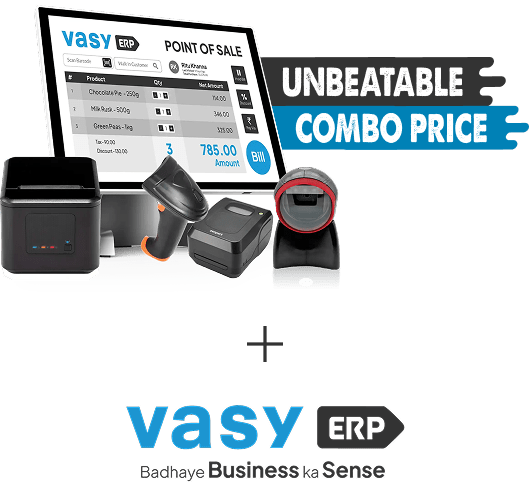
POS (Point of Sale) is the software/technology used to facilitate customer purchases within retail or service related businesses. POS functions include billing and handling payments, processing inventory changes, and issuing customer receipts. Some modern POS software also handle barcode scanning, monitor customer loyalty, and enable multiple methods of payment. As a system that serves as the bridge between customer and retail backend inventory management and sales, POS supports ongoing business processes and strategies that further entail tracking products and services sold and supporting the sales and service experience. An accurate and timely POS implementation supports a pleasant business experience for customers.
Procurement
Procurement is the overall steps of sourcing, buying, and acquiring the goods or services you need to run your business. It is also vendor sourcing, negotiations, issuing purchase orders, tracking delivery, and processing payments. An effective procurement process means you have the right amount of material available at the right time at the cost you want. Purchasing also involves some quality control, budgeting, and company policy compliance. Good management of the procurement process can result in cost savings to the business while maintaining supplier relationships to help ensure your manufacturing or retail operations can continue without delay or shortage of the necessary materials.
Profit & Loss Statement
A Profit & Loss Statement (P&L) is a financial report that reflects a company's revenues, expenses, and profits earned over a specific period of time. The purpose of P&L is to provide businesses with information about their financial performance to evaluate if the business is or is not profitable. A P&L contains key components that consist of cost of goods sold, operating expenses, gross profit, and net income. When the P&L is reviewed, it assists management with determining pricing, identifying areas of cost reduction, and financial planning. Monitoring the profitability regularly assists in tracking trends, controlling spending, and forecasting future growth.
Purchase Order (PO)
A Purchase Order (PO) is an official document that buyers send to a seller to order goods or services. A PO contains details about the amount of product the buyer is interested in, a description of the product, the price, and the terms of availability or delivery and payment. POs are used to provide a common understanding of the order between buyer and seller before a purchase takes place. When a seller accepts a PO, it becomes a legally binding document for both parties. POs support an organization's ability to monitor and track spending, and purchasing, prevent duplicate purchases and product misuse and ensure accurate product inventory and accounting records. When POs are part of a digital system, processing and auditing are more efficient and fast, improving accuracy and traceability.
Project Management
Project Management is the act of planning, completing, and monitoring tasks to measure success against defined goals and outcomes within a specific timeframe and budget. Project Management is the function of resource allocation, scheduling, monitoring task progress, and risk management. Project Managers can also utilize tools or frameworks such as Agile, Kanban, or Waterfall, which can help with workflow and communication between project managers and other employees. Effective project management systems will allow teams to meet objectives in a timely manner and produce quality deliverables that meet stakeholders' objectives. They are especially important in software development, construction, marketing, and manufacturing to coordinate multiple teams and people to execute work in an organized manner for successful project implementation.
Product Lifecycle Management
Product Lifecycle Management (PLM) refers to a system utilized to achieve the management of a product from the initial concept stage through design, manufacturing, distribution, and the eventual task of retiring the product. PLM centralizes all the data associated with the product, including specifications, designs, materials, and revisions. PLM facilitates teamwork, change tracking, and product quality. PLM reduces errors and expedites the product development process by linking engineering, production, and supply chain information. It is often used in industries such as fashion, electronics, and automotive to assure innovation, relevancy, consistency, and compliance throughout the product lifecycle.
Proforma Invoice
A Proforma Invoice is a draft of the bill that is submitted to a customer prior to delivering goods or services. The purpose of a proforma invoice is to inform the customer of the estimated costs of the products, the payment terms, and details regarding the product prior to issuing a completed invoice to the customer. Proforma invoices are used regularly in international trade, customs clearance, and advance buyer payment. They help buyers confirm the details of their order and plan a budget prior to sending a remittance. Proforma invoices do not require payment, obligating the buyer to payment, and are not legally binding It should also be noted that it is another point of reference with regard to transparency and negotiation, while also documenting the buyer's intent to purchase.
Purchase Return Management
Purchase Return Management is the process of returning purchased items to a vendor, which may result from a defect, receiving the wrong item, or simply quality issues. This process involves a variety of documentation such as a debit note, physical tracking approval to return an item, stock adjustments, and replacements or refunds. An effective Purchase Return Management process can lead to accurate inventory management, avoid financial loss, and vendor responsibility. An automated process will reduce human errors, as well as provide visibility into the history of the product being returned. The Purchase Return Management process can support monitoring quality and maintaining ongoing assessments of the vendor, while confirming that accurate inventory records are achieved.
QR Code
A QR Code (Quick Response Code) is a code that can be scanned by a machine to recall data such as URLs or product identification, or payment and tracking details. Users can scan QR Codes with scanners or smart phones to quickly access digital content. Businesses may use QR Codes for payment, billing, marketing, inventory, or product authenticity. Using QR Codes reduces manual entry, improves customer experience, and provides faster access to captured data. With the growing use of digital solutions in everyday tasks, QR Codes are now a simple and cost-effective technology for automating processes and engaging customers.
Quotation
A Quotation is a document given to a buyer by a seller indicating the estimated cost of a product or service and is usually requested before a transaction happens. A quotation usually includes the pricing, taxes, time for which the quote is valid, and terms, including the delivery of goods or services, and terms of payment. Quotations are useful for the buyer to compare offers and make an informed decision on purchasing goods and services. Keeping quotations organized and detailed helps to maintain the integrity of negotiations and foster trust and transparency between the two parties.
Quality Control (QC)
Quality Control (QC) is when products are inspected and tested for compliance with required standards before being shipped to customers. Good QC is critical for identifying defects, maintaining consistency, and enhancing reliability. This involves sampling, inspections, testing procedures, checkpoints, and documentation. Implementing comprehensive QC practices can minimize waste, returns, and complaints, while also protecting the brand. Manufacturing, food processing, pharmaceuticals, textiles, and other industries often rely on Quality Control to validate safety and regulate compliance. Continuous monitoring will ensure that customers receive what they expect.
Quality Management System (QMS)
A Quality Management System (QMS) is a formal framework that describes the policies, procedures, and responsibilities for ensuring the quality of products or services. Its purpose is to establish a systematic all of processes that promote continuous improvement, conformity, customer satisfaction, and consistency of operations. A QMS may include documentation control, auditing processes, and corrective action steps, etc. External standards such as ISO 9001 offer guidance if an organization follows a more standardized quality system approach. A QMS typically enhances transparency and minimizes miscommunication of processes while establishing a systematic approach to minimizing errors throughout the entire production cycle.
Queue Time
Queue Time stands for the amount of time a task, product, or customer is standing still until it can advance to the next step in a process. In manufacturing environments, this refers to the time between steps in a process, whereas in the retail or service world, this would refer to the time a customer is waiting. Reducing queue time is an effective way to improve efficiency, increase the speed of workflow, and improve customer satisfaction. Understanding queue time allows us to identify wait time bottlenecks, staff resources more strategically, and create other efficiencies in a process.
Return Management
Return management refers to the process a company goes through when customers or retailers send products back to the company. This process includes the steps involved in accepting the return, inspecting the condition of the returned item, updating inventory system records, approving a refund or replacement, and documenting the reason for the return. An effective return management process will aid in preventing loss, improve customer trust, and inform businesses of repetitive product or supplier issues. Many businesses have adopted software systems to automate returns tracking, generate reports, and ensure returns processes are applied uniformly.
ROI (Return on Investment)
Return on investment, abbreviated as ROI, is a financial performance metric used to evaluate how good of a return is being generated from an investment compared to the cost of the investment. ROI metrics give businesses a clearer picture of costs associated with marketing, equipment, hiring, inventory, operating or other expenditures versus whether the investment is providing any meaningful value to the business. Specifically, it typically compares the net profit generated and the cost of total net investment into the business and expresses this measure as a percentage. The bigger the percentage, the better the company is performing financially.
Raw Materials
Raw materials are essential components utilized in manufacturing or production processes to generate finished items. Raw materials may be categorized such as metals, fabrics, chemicals, grain, wood, and any other base element determined by the specific industry. Managing raw materials is vital, as production would stop if raw materials were depleted or delayed. Businesses track the levels of raw materials on hand, the timing of suppliers, the price variations from suppliers, and how raw materials are consumed to ensure production isn't delayed. Tracking raw materials also helps in eliminating excess and controlling costs, and ensuring uniform quality.
Reorder Point
A reorder point is the amount of inventory available for a business to trigger a new order and help avoid a shortage of products. This is determined by evaluating the daily usage, lead time from the source, and, in some cases, an additional cushion of safety stock. In many systems, when inventory reaches this level, it automatically generates an order for the organization. The reorder point is necessary to maintain product availability while avoiding a surplus. Businesses can modify reorder levels to reflect impending seasonal spikes, changes in sales history, or fluctuations in the supply chain.
Receipt
A receipt is a document indicating payment for goods or services at the completion of a transaction. It typically lists characteristics pertaining to the products purchased. A receipt in this context is a proof of purchase for the customer, and is needed if he or she wishes to return the item, take advantage of a warranty, or for reimbursement purposes. For the business, payment receipts serve the purpose of further accounting and financial reporting. Digital receipts are becoming more common as they save paper and provide convenience in tracking purchases.
Recipe Management
Recipe management is the process of creating, organizing, and standardizing formulas or ingredient lists that are utilized in the process of production. The process is most often used by industries including food, cosmetics, etc. Recipe management includes managing measurements for those recipes, altering batch sizes, substituting ingredients, and keeping track of cost related to the recipe. All of this allows for a more consistent quality of product, diminishes waste, and helps in meeting compliance with regulations. Many recipe management systems will integrate with inventory systems to automatically deduct ingredient use for inventory accounting purposes as well as calculate total cost.
Supplier Bill
A supplier bill is a formal document provided by a supplier that identifies goods or services supplied to a business for which they request payment. Supplier bills typically contain item descriptions, billed amounts, related taxes, billing terms, and due dates. Supplier bill processing is significant for tracking operational expenses, keeping track of invoices, and ensuring timely payments. Effective management of supplier bills allows for enhanced budgeting, financial reporting, and compliance. Organizations also utilize technology to help streamline supplier bill approval through digital systems, eliminate errors, and provide accountability between departments.
Sales Order
A sales order is the document confirming an agreement for a customer to purchase a product or service. The sales order contains details about the item, price, taxes, delivery dates, customer name, payment terms, and quantity. A sales order can be created to match what was agreed upon, so the business can validate inventory, production, or when to ship the product. An internal sales order could be verified if an agreement was reached prior to invoicing. Utilizing the sales order system can simplify tracking and facilitate the processing of sales in the workflow.
Serial Number Tracking
The process of serial number tracking involves associating a distinctive code to products or batches to observe their lifecycle. This permits a company to trace items from when they are produced to when a customer makes the final sale and beyond. Serial tracking can be especially helpful for electronics, machinery, medical devices, and high-value goods. Serial tracking can assist with warranty claims, potential recalls, and theft management. When combined with an inventory system, serial tracking improves traceability and accountability of stock. Companies utilize serial tracking to ensure quality records, improve customer support, and comply with regulations or safety requirements.
SKU (Stock Keeping Unit)
A SKU (Stock Keeping Unit) is a unique identifier assigned to each product variation in a company's inventory typically reflecting attributes like size, color, or category. SKUs help businesses manage stock movement, optimize warehouse space, streamline billing, and reorder efficiently. They also provide valuable insights into fast and slow moving products through sales reporting. Effective SKU management improves inventory accuracy, reduces confusion, and enhances the overall customer experience.
Stock Transfer
Stock transfer refers to transferring stock from one warehouse, store, or department to another within the same organization. It helps in keeping stock availability balanced by ensuring that stock levels do not run low or are excessively high. It also includes the documentation of that transfer, an approval process, transportation planning, and updates to inventory records. For some organizations, it is easier to automate the stock transfer process to track stock movement to avoid that manual data entry. Efficient stock transfer processes provide visibility into stock movement, multi-store environments, improved distribution, and allow businesses to fulfill orders quickly.
Supply Chain Management
Supply chain management is the planning and control of flows of goods from the supplier to the customer. Supply chain management includes procurement, production, inventory control, warehousing, and logistics. The goal is to ensure products are available in the right time, right cost, and right location for the end-user. Effective supply chain management increases order completion speed, decreases costs, improves accurate forecasting for delivery and order management, and improves customer satisfaction. Supply chain management uses technology as part of the system to track shipments, analyze demand, and improve accurate decision making. A well-functioning supply chain generates stability and competitive advantages.
Service Level Agreement (SLA)
A Service Level Agreement (SLA) is a legal agreement that specifies the expected level of service from a service provider to a client. It usually specifies the service provider's service execution standards, response times, and delivery times, responsibilities, and penalties if the service provider does not meet the standards. SLAs are generally used to support transparency, protect both the client and service provider, and create a useful tool for defining expectations. They are commonly found in IT Support, logistics, telecommunications, maintenance, and outsourcing agreements. The client can also track SLA compliance to help enhance accountability and service quality. Additionally, a well written SLA can build trust and improve communication.
Stock Verification
Stock verification is a method of comparing what is physically on hand in inventory to what is recorded to ensure accuracy. Stock verification is used to identify discrepancies between what is actually physically present in inventory and what is recorded in the system. Verification helps to identify variances that can be attributed to theft, damaged inventory, system error, or misplaced inventory. Companies will typically conduct verification at regular intervals or through cycle counting to sustain accurate records of inventory on hand. Having verified accurate stock levels is important as accurate stock verification will contribute to financial reporting and operational planning.
Standard Cost
Standard cost is the anticipated cost assigned to labor, materials, and overhead used to produce a product. It serves as a means to gauge actual production costs against a budgeted or expected amount. When differences occur, an organization reviews the cost variances to investigate whether the variances are due to inefficiencies or other factors. Standard costing is often beneficial or used for budget establishment, pricing decisions, creating financial forecasts, and performance assessment within organizations. It is prevalent in a manufacturing environment which directly relates to consistency and cost control. Tracking standard cost can assist on improvement across operations to support accuracy.
Tax Compliance
Tax compliance means making sure a business does what it is supposed to do under all government tax codes, reporting requirements, and deadlines for payment of taxes. Tax compliance involves filing tax returns, keeping accurate records, determining tax liability, and following along existing changes in tax codes. Good tax compliance reduces the risk of tax penalties, tax audits, and legal issues. Even accounting technology today can automatically calculate taxes, keep track of changes in tax rates, and produce timely and accurate reports. The benefits of good tax compliance for businesses can build financial transparency and reduce risk exposure.
TDS (Tax Deducted at Source)
Tax Deducted at Source (TDS) is a system in which a percentage of a payment is withheld at the time of the transaction and paid to the appropriate government authority on behalf of the recipient of the payment. TDS applies to payments made for salaries, rent, interest, contractors providing services, and at times, other financial transactions too. The amount withheld is recorded against the tax record of the recipient, which reduces the risk of tax avoidance and ensures revenue to government on a steady basis. TDS also requires the payor to maintain accurate records, file returns timely, and issue tax certificates, TDS returns, and other related paperwork timely.
Total Cost
The total cost represents the entirety of a company's expenditure to manufacture, store, or obtain a product or service provided to a customer. This includes direct costs such as raw materials, wages, and manufacturing expenses, as well as indirect costs, including electricity, rent, insurance, machinery depreciation, and salaries for administrative roles. Having knowledge of the total cost allows companies to price products or services profitably, avoid losses, and manage cost efficiency. The concept is important in budgeting, forecasting, and long-term financial planning. Tracking total cost with precision allows companies to trace waste, control spending, and improve overall decision making.
Trial Balance
A trial balance is a financial statement that lists all the balances of all the accounts in the ledger using debit or credit accounts and is a way to check that the total of all the debits equals the total of all the credits in the double-entry bookkeeping practice. Presenting a trial balance will not correct all accounting errors, it can indicate accounts and amounts that are missing, double-entered, or mis-posted, etc. A trial balance will usually be prepared at the conclusion of an accounting period in preparation for preparation of financial statements.
UPI
UPI (Unified Payments Interface) is a digital payment system that allows immediate bank-to-bank transfers using a mobile application. There is no need to enter card information or bank details increases speed and security in payment processing. UPI allows payments via QR codes, mobile numbers, and virtual payment addresses. The merchants benefit from offering customers fast, contactless payments without needing to handle cash. UPI is an important part of digital commerce and modern retailing.
Unit Cost
Unit cost is the total cost necessary to produce or purchase one unit of product. It includes raw materials, labor, overhead, and any other costs involved in production. Understanding unit costs will allow a company to set selling prices that are profitable, analyze and evaluate product performance, and assist in managing cost control. Unit costs can also be useful for inventory valuation, budgeting, and forecasting. Accurately tracking unit costs will identify inefficiencies and help improve margins for businesses. In recent years, with the invention of ERP and accounting systems, unit cost calculations are being done automatically and consistently.
Variant Management
Variant management is about managing the different variations of a product, such as size, color, style, or material, in a single catalog. It is common in apparel, electronics, furniture, and consumer goods businesses. Good variant management helps reduce the complexity of pricing, stock tracking, ordering, and customer experience. Variant management helps to reduce duplicate items and confusion in inventory and stock-keeping units (SKU). Current systems help manage SKU's at the barcode level, and automatically create SKU's and allow for bulk updating. With variant management, businesses are streamlined and provide more for the customer.
Vendor Management
Vendor management includes the evaluation, selection, onboarding, and management of suppliers with the goal of supporting a solid business relationship, and assuring a supplier can deliver goods or services on-time or when expected. Vendor management makes it easy to track vendor performance, costs, payment terms, contracts, and all associated communication. Good vendor management supports cost control, lessens supply risks and can improve the quality of products provided. Vendors are managed digitally through records of compliance, orders, invoices or purchase orders, and other requisite information. Good vendor management improves operational efficiency and supports business growth over time.
Warehouse Management System (WMS)
A Warehouse Management System (WMS) is a software tool used to simplify and improve warehouse processes such as inventory picking, packing, receiving inventory, storing inventory, and shipping inventory. A WMS allows you to have real-time visibility of stock, creates more accuracy, reduces human error, and can help you become more efficient. WMS solutions provide support for barcode scanning, tracking, automated workflows, and space optimization. The benefit to a business using a WMS is to allow faster order fulfillment, lower operating costs, and grasps for comprehensive control of inventory. This is crucial for businesses that utilize a large or multi-location warehouse.
Wholesale
Wholesale is selling products in bulk amounts to retailers, resellers, or other businesses, instead of consumers directly. Wholesalers will purchase goods at a lower cost and sell them at a mark up to provide a quicker supply chain. Wholesale inventory control, pricing, and order tracing are vital functions for keeping a consistent business flow. Wholesalers profit from bulk sales, repeat the orders, and valuable relationships with customers. Wholesale systems generally include B2B pricing, order quantities, and flexible payment terms.
Year-End Closing
Year-end closing is an accounting procedure that takes place at the conclusion of a fiscal year to close the books and generate financial statements. The closing process involves reconciling accounts, posting adjusting entries, reviewing expenses, verifying inventory, settling taxes, and preparing profit and loss statements. Year-end closing is to validate the riches of all records before they are carried over to the next year. Year-end closing facility compliance, auditing, planning, and reporting. Many of the tasks for year-end closing can be automated by modern accounting software systems, resulting in improved accuracy and decreased cost of operating systems.
Yield Management
Yield management is a pricing strategy designed to assist businesses in maximizing revenue by altering pricing based on supply and demand, inventory levels, and market conditions. This strategy is frequently employed in hospitality, airlines, retail, and manufacturing to forecast trends in sales patterns and consumer behavior, as well as the seasonal nature of commodities. Yield management enables businesses to provide products to their customers at the right price, at the right time. Modern ERP systems and data analytics tools have automated the labor intensive tasks of modeling agreements and developing pricing decisions to increase profitability.